October 22, 2023
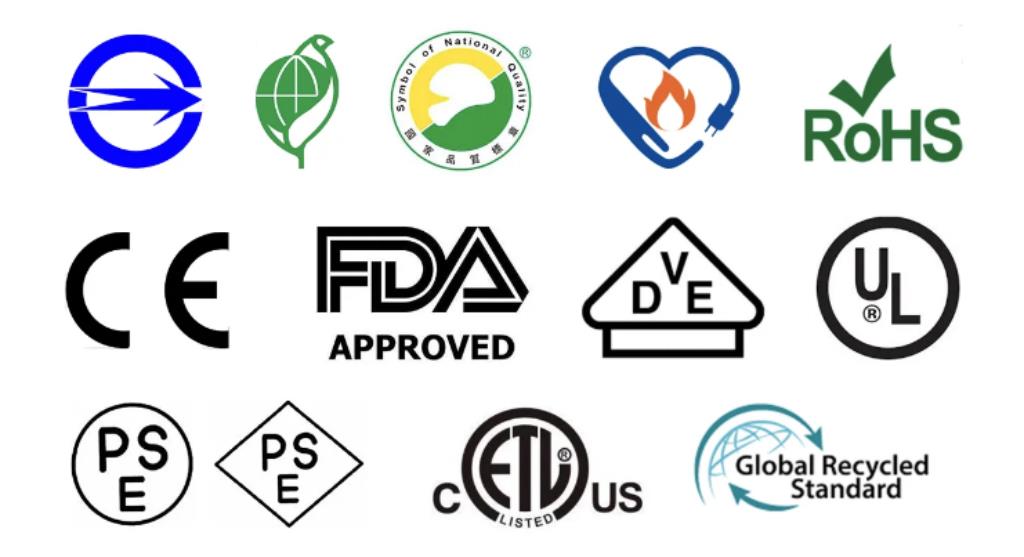
Photo by addmaker from amag
【This article aims to inform you about...】
A. What certifications does my product need?
B. Does my product require certification?
C. Where should I go for certification?
D. GRS (Global Recycled Standard)
E. Five things to know before third-party certification
"What is the purpose of CB certification ? Do electronic products need UL certification ? Which certifications are just a gimmick ?"
As a product developer, have you ever felt confused about the above questions ? I believe many people have similar concerns.
In many cases, if a product category is not influenced by regulations or long-established market demands, developers may not necessarily need to actively seek certification. For example, in the home appliance market, consumers in Europe and the United States generally prefer products with UL certification, and in some regions, government regulations mandate certain certifications for products to be sold. However, not all regions and product categories require mandatory certification. In Taiwan, for instance, some products, such as air purifiers, can be launched and sold without the necessity of obtaining certifications. Therefore, before considering certification applications, developers should carefully assess whether specific certifications are indeed needed based on the target market and product category.
A. What certifications does my product need?
The certifications required for a product depend on its category and specific factors such as temperature resistance, flammability, or food-grade standards. Different products may prioritize safety, while others may emphasize functionality and durability. Additionally, the manufacturing region and the selling region can impact the product's certification requirements. For example, home appliances manufactured in China may need to obtain CCC certification; if selling in Southeast Asia, CB certification may be required. Ultimately, specific local certifications for the target selling region must also be obtained.
Electronic products typically need to comply with international electrical standards and safety regulations, while industrial components must meet relevant design specifications, such as durability, resistance to mold and bacteria, flame retardancy, etc. Generally, certified products often refer to those with a certain level of safety risk to consumers, including but not limited to electronic products, children's toys, textiles, and food containers.
B. Does my product require certification?
Third-party certifications can be divided into two categories: mandatory certifications required by government regulations before sales, and voluntary certifications applied for by developers, such as UL, ETL, etc. Prior to collaborating with manufacturers, if mandatory certifications are not yet obtained, manufacturers typically pose the following questions to developers to assist in determining the necessary certifications:
-
Where will your product be launched? Different regions may have different certification requirements.
-
What category does your product belong to? Different product categories may require different certifications.
-
Does your product involve special requirements such as temperature, flammability, or food-related aspects? This will affect the types of certifications needed.
-
Have you considered voluntary certifications to enhance market competitiveness and consumer trust? For example, certifications like UL, ETL, etc.
-
Have you inquired with relevant organizations (such as SGS) to determine the specific certification requirements for your product?
If developers are uncertain about whether their product requires certification, it is recommended to seek confirmation from relevant organizations such as SGS. Typically, they provide clear guidance and recommendations.
C. Where should I go for certification?
For different markets and product categories, the required certifications vary. Here is a list of 15 certifications for reference.
For the Taiwan market:
Bureau of Standards, Metrology and Inspection (BSMI) has detailed lists of products requiring inspection, including children's products, textiles, electronics, and electrical appliances. To ensure product compliance, developers should submit their products to the Inspection Bureau or designated testing laboratories for testing before market release, obtaining a type test report and related technical documents. Simultaneously, they should provide the factory's ISO 9001 certification issued by Taiwan Quality Management Verification Institution to apply for verification registration. This process involves inspection fees and verification registration fees. If a product is reported or found to be non-compliant, it may face certain fines. Different product categories are assigned to different laboratories for inspection, such as the Foundation for the Advancement of Electronic Commerce (ETC), which specializes in inspecting electronic and electrical, information, and mechanical products.
When a product wishes to highlight its environmental and energy-saving characteristics, the government provides two certifications: 'Environmental Label' and 'Energy Label.' The Environmental Label, based on the ISO 14024 Environmental Labeling principles and procedures, is issued by the Environmental Protection Administration (EPA) and is awarded only to the top 20% to 30% of products with excellent environmental performance. The corresponding review fee ranges between NT$20,000 to NT$30,000. The Energy Label signifies that a product's energy efficiency surpasses the national standard (CNS) by 10% to 50%. This means that under similar functional conditions, the certified product consumes less energy and incurs lower energy costs compared to uncertified products. The inspection fees vary depending on the product. Both certifications hold significant reference value for consumers who prioritize energy efficiency and environmental protection.
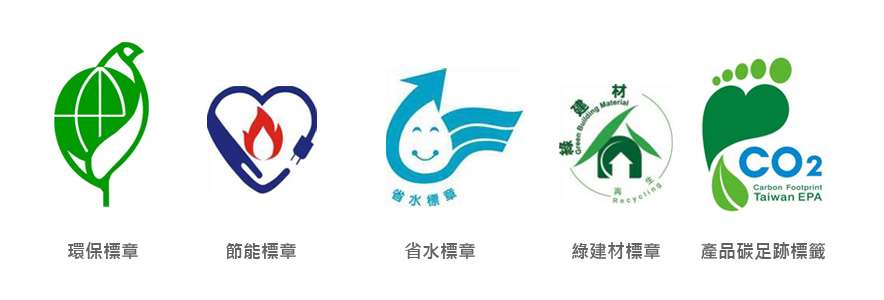
For products in the biotechnology and medical category, including medical devices, cosmetics, nutritional health supplements, pharmaceuticals, nursing care services, or epidemic prevention products, the SNQ Symbol of National Quality in Taiwan is an optional certification option. The one-time fee is NT$100,000, and the certification is valid for one year. This includes administrative and review fees, as well as marketing and promotion expenses for the entire year after obtaining the label.
For the North American market:
The Occupational Safety and Health Administration (OSHA) in the United States has authorized independent laboratories known as Nationally Recognized Testing Laboratories (NRTL). These laboratories conduct tests and certifications based on public standards and regularly inspect certified products. In many regions of the United States, regulations require products to undergo NRTL certification before being sold on the market.
The most well-known laboratory in the United States is Underwriters Laboratory (UL). For American consumers, UL is a highly trusted third-party certification organization. There are also authorized UL laboratories in Taipei, Taiwan.
UL primarily focuses on assessing the safety of potentially hazardous products, including safety, security, fire resistance, and installation evaluations. The covered product categories range from common electronic appliances, mechanical vehicles to industrial chemicals, maritime supplies, life-saving equipment, and more.
UL's audit typically takes 3 to 4 weeks, and the cost depends on the laboratory's assessment quote. There are four factory inspections and other review methods annually, including annual review fees and service fees. If the reviews are passed each year, the product will maintain its ongoing validity
Another well-known laboratory in North America is Electrical Testing Labs (ETL), which provides product testing services similar to UL and is also a certification laboratory under NRTL.

The Food and Drug Administration (FDA) in the United States is an enforcement agency. Although often referred to as 'certification,' it does not actually provide any product certification. The FDA's role primarily falls into two categories: 'testing,' where products are tested according to relevant regulations, typically involving equipment and packaging materials related to food, and 'registration,' covering food, drugs, medical devices, cosmetics, laser products, etc. While cosmetic registration is voluntary, it is still a consideration in commercial collaborations.
According to FDA regulations, medical products are categorized into three classes: Class I low-risk products, such as tongue depressors, rubber gloves; Class II moderate-risk products, such as dialysis equipment, catheters; Class III high-risk products, such as implantable devices or mechanical heart valves. Taking Class II medical products as an example, it usually requires submitting a pre-market notification application to the FDA 90 days before importing to the United States, and obtaining an import permit (510(k) Clearance Letter). As of 2020, the standard fee for 'Pre-market Notification 510(k)' is $11,594, while businesses with annual sales less than $100 million pay $2,899.

To ensure consumer safety, the Canadian Standards Association (CSA) legally prohibits the use and sale of electronic products without CSA safety certification in Canada. CSA certification is recognized by OSHA and also holds NRTL certification. Therefore, when applying for the CSA mark, testing can be conducted according to U.S. safety standards simultaneously. Upon passing the tests, not only can CSA certification be obtained, but additional NRTL certification is also granted, allowing the product to be sold in the U.S. The cost is estimated per unit and includes an annual fee.
For the European market:
For entry into the European Union market, obtaining CE certification is essential. This certification signifies that the manufacturer has complied with the health, safety, and environmental regulations of the EU. Generally, the process for obtaining this certification takes around two weeks, and the associated costs vary depending on the specific project. The certification certificate will indicate its validity period, typically lasting for five years.
RoHS, mandated by EU legislation, is a compulsory standard aimed at regulating the materials and technical standards of electronic and electrical products. Its goal is to eliminate ten hazardous substances in electrical and electronic products, including lead, mercury, cadmium, hexavalent chromium, polybrominated biphenyls, polybrominated diphenyl ethers, and four plasticizers. It particularly emphasizes that the lead content should not exceed 0.1%. The RoHS certification period typically ranges from 5 to 7 days, with the associated costs depending on the specific circumstances of the product.
Germany's VDE conducts comprehensive verification of electrical products based on German VDE national standards, European EN standards, and IEC International Electrotechnical Commission standards to ensure compliance with safety regulations. VDE, affiliated with the German Association of Engineers, is a highly reputable verification organization. According to data, over 50% of Germans trust and value the VDE mark.
For the Asian market:
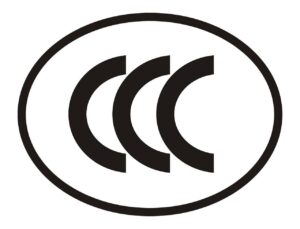
China Compulsory Certification (CCC) is a fundamental certification for electrical and electronic products. It is a mandatory requirement in the People's Republic of China for the import, production, sale, and use of various products. Only products that have passed this certification are considered to meet the basic requirements in terms of safety, electromagnetic compatibility (EMC), environmental protection, and more.
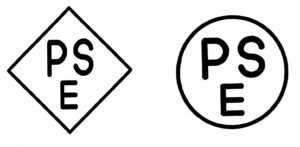
Japan's PSE certification is a mandatory verification system for electrical products entering the Japanese market. Products are categorized into specific and non-specific types. Specific products need to undergo verification by third-party verification organizations authorized by the Japanese Ministry of Economy, Trade, and Industry, while non-specific ones require manufacturers to provide their own inspection certificates. The verification fee varies depending on the product, starting at around 80,000 New Taiwan Dollars.
D. GRS (Global Recycled Standard)

To obtain Global Recycled Standard (GRS) certification, a product must contain at least 20% raw materials composed of recycled materials, and it must be 100% free from contamination. The recycled materials should be clearly labeled with the source of pre-consumer and post-consumer waste and the percentage within the recycled materials. Additionally, GRS strengthens regulations on corporate social responsibility, pollution prevention and management in the production process, and restrictions on chemical use. Currently, in Taiwan, units that can conduct GRS certification include IDFL and INTERTEK, and the associated costs vary depending on the product.
Currently, in the market, consumers in Europe and the United States often look for UL certification when purchasing electrical appliances. For medical devices and cosmetics, they pay attention to whether the products comply with FDA testing or registration. In Taiwan, consumers also tend to prefer products that have received energy efficiency certification.
E. Five things to know before third-party certification
- Expensive Pricing
The pricing for third-party certification is relatively high, with a single certification costing upwards of thousands of dollars. This includes registration fees and annual fees for maintaining product files in the laboratory. If there are special certification requirements, such as a supplier for laser anti-counterfeit labels or labels with special coatings, the budget for a single product will increase further. Therefore, it is recommended to carefully review the regulations related to product sales and listing before completing the design or starting construction. Understanding the necessary certification items and knowing which certifications competitive products have obtained can facilitate a smoother process when launching the product. Additionally, most laboratories offer testing consultation services, which may incur additional fees, but for newcomers, it is a quick way to obtain information, as meeting certification requirements directly in the design phase is much simpler than redesigning later. - Time Consuming for Application
Many development teams, due to insufficient understanding of the time required for certification, may feel pressure to expedite the process to shorten time to market, often opting for 'rush' services at an additional cost. It is recommended to discuss detailed certification time requirements with the laboratory and compare services and quotes from multiple labs for a more comprehensive assessment. For example, if UL's testing and evaluation take 6 months while ETL's evaluation only takes 3 months, it is advisable to balance considerations between development timelines and certification requirements. - Certification Inspection
Achieving certification doesn't mean a one-time effort. Laboratories conduct regular checks and audits on products to ensure they maintain the same high-quality standards. If any deviations from the standards are found, developers will receive version change notifications, requiring immediate resolution of these issues. Additionally, standards may be revised periodically, and sometimes products must be updated according to the latest standards. Therefore, finding a trusted and reputable manufacturer becomes even more crucial. - Information Integrity
Laboratories typically require detailed information, following specific formats. It is advisable to carefully read the requested information to ensure it meets their requirements at once. If your product doesn't pass the initial certification, you may need to make modifications and undergo a re-evaluation. In some cases, you might even need to start over, which can impact the time it takes to bring your product to market. - Design Changes
If there are changes to the components, materials, or suppliers of a certified product, it is necessary to choose materials approved by the laboratory. Otherwise, it may be necessary to resubmit the modified design for testing and certification. It is advisable to assess the potential cost of recertification before making design changes, ensuring that the cost of changes or modifications does not exceed the cost of recertification. Additionally, the necessity of design changes and market demands should be taken into consideration to make the most informed decision.
Absolutely, product certification serves as a validation of product quality, akin to consumer reviews. While third-party testing and certification may be time-consuming and incur additional costs, considering the reputation of the product and ensuring consumer safety, certification becomes an indispensable step in the development of new products. However, striking a balance between timelines, costs, and consumer trust is a complex decision that development teams need to carefully weigh, making decisions based on priorities and urgency.
—
Reposted this article from:Amag(原文標題:產品第三方測試和認證重要嗎?常見的認證標章整理)
Reference Links:East West
#thirdpartycertification #productdesign #productdevelopment #SGS