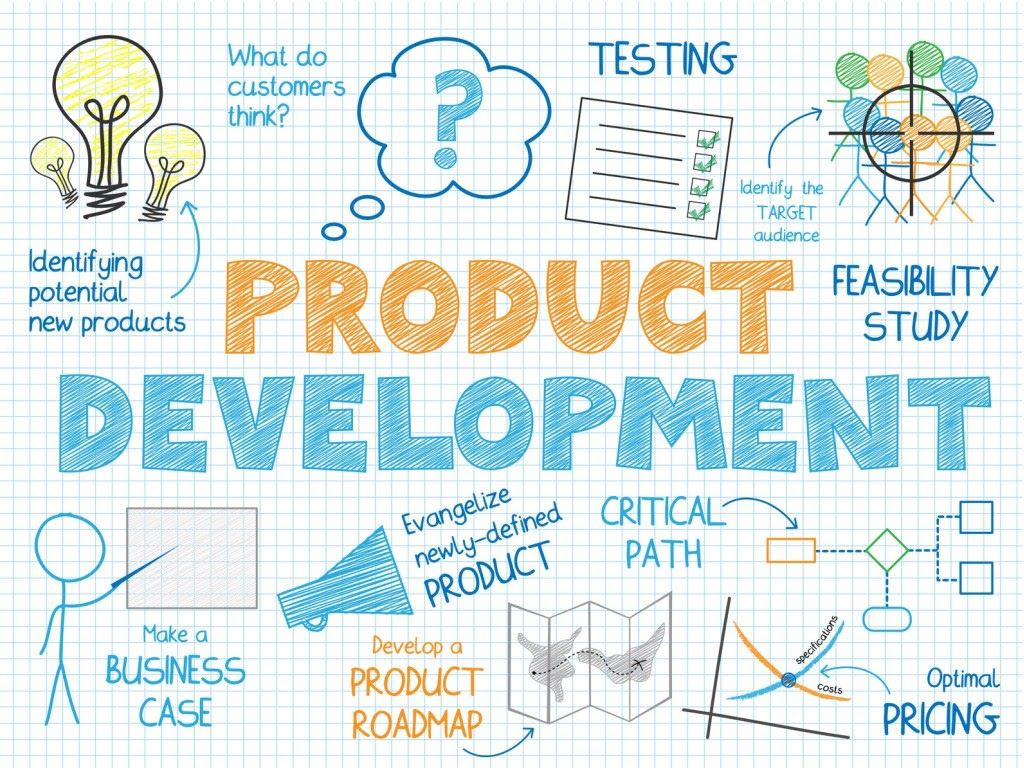
Many brands encounter the same challenge in the early stages of product development:
“Is this product really worth making?”
Is there real market demand?
Will the costs be too high?
What if it doesn't sell after it's made?
The reality is that many products burn through significant time and budget in a state of uncertainty long before they ever reach mass production.
And in fact, many of these risks can be reduced before a product even enters formal development.
Method 1 | First clarify whether the product truly needs to be designed from scratch
Many people instinctively think that product development means:
“First, you have to hire a design firm and start drawing everything from scratch.”
But in reality, not every product is suited to fully custom design.
In the early stages of product development, what matters more is first confirming three key things:
- Whether the market truly needs this product
- Whether the functions and specifications are reasonable
- Whether the cost structure is feasible
If none of these are clear yet, then "reviewing existing design options and evaluating design directions first" is often a much safer approach.
This is why, in recent years, more and more brands have chosen to start by evaluating existing or semi-custom design options, rather than committing to high design fees from the very beginning.
Method 2 | Consider manufacturability already at the design stage
Another common risk is:
“The design looks great, but it can't actually be manufactured.”
Common situations include:
- The structure is too complex, driving mold costs excessively high
- Poor material choices that cause unit costs to spiral
- A visually appealing design that is difficult to assemble
Once these issues are discovered at the prototyping or mass-production stage, it’s often already too late to turn back.
Therefore, evaluating "Design for Manufacturing (DFM)" at the very beginning of the product design stage is a crucial step in reducing development risk.
Method 3 | Treat design as a decision-making tool, not a one-time expense
Many brands see design as an expensive but unavoidable cost — but a better way to think about it is this:
“Design is a tool that helps you make decisions.”
When you're able to:
- See the full design direction in advance
- Evaluate whether the engineering and functionality are reasonable
- Decide whether it's worth further investment
You no longer need to take a gamble with incomplete information.
That's why platforms like Fipea allow brands to access design proposals that can be evaluated, discussed, and adjusted before committing to mass production — providing a solid basis for decision-making, instead of jumping straight into a high-risk development process.
Which brands benefit most from this approach?
If you meet any of the following criteria, this "Go / No-Go" approach is especially suitable for you:
- Planning a new product line but unsure about market response.
- Lacking in-house design or engineering expertise.
- Wanting to control development costs without a large upfront investment.
- Hoping to shorten the time from idea to product launch.
Conclusion
Product development inherently involves risk — but that risk doesn't have to rely solely on a "bet".
By adopting a smarter design process, you can gain clarity on direction, cost, and feasibility before deciding whether to move forward — ensuring every step is backed by informed decision-making rather than guesswork.
If you're considering whether your next product is worth investing in, perhaps the first step is to think about how design can help you make better decisions.
—
The content is organized from online sources.
#ProductDevelopment #ProductDesign #DevelopmentRisk #DesignProcess