
Are Biobased Materials Really Eco-Friendly ?
In recent years, “eco-friendly” and “sustainability” have become key terms for governments, designers, businesses, and the manufacturing industry. Biobased materials have gradually entered the public spotlight. They are often regarded as alternatives to plastics, even labeled as “green.” But are they truly eco-friendly? The answer is not that simple.
🌱 What is Biobased Materials ?
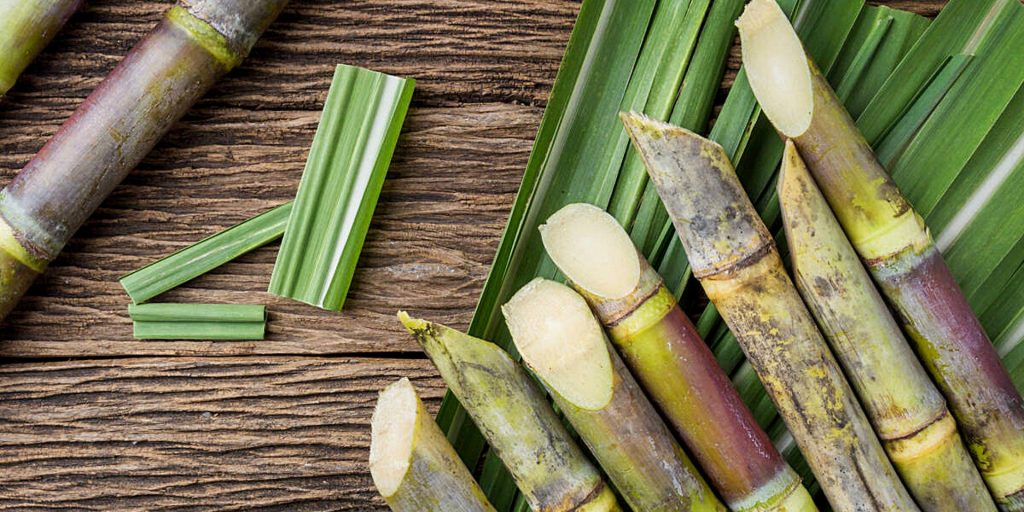
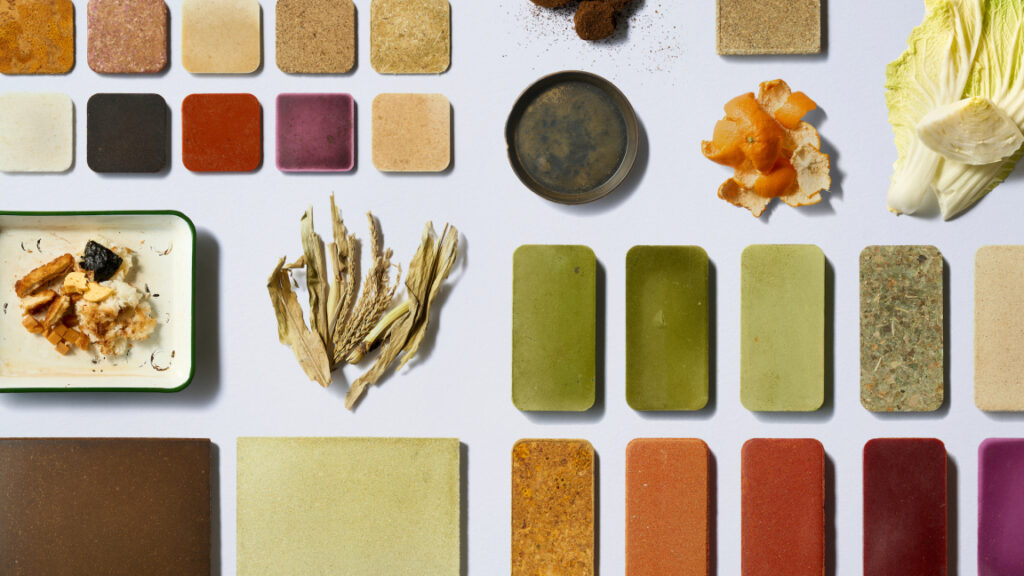
Biobased materials refer to materials derived from plants or biological resources, such as corn starch, sugarcane fiber, bamboo, wheat straw, and even bacterial fermentation products. These materials do not rely on petrochemicals, are renewable, and some can even degrade under specific conditions.
Common applications include:
- PLA (Polylactic Acid, derived from corn starch/sugarcane): disposable tableware, food packaging, 3D printing filaments.
- PHA (Polyhydroxyalkanoates, produced by bacterial fermentation): biodegradable plastic bags, packaging films, medical sutures.
- Bio-PET (partially derived from sugarcane): beverage bottles – Coca-Cola PlantBottle, packaging containers.
- Bio-Polyethylene (Bio-PE): plastic bags, cosmetic bottles and jars, food packaging films.
- Bamboo fiber / sugarcane bagasse / wheat straw fiber: disposable lunch boxes, paper cup liners, kitchenware.
- Lignin- or starch-based materials: biodegradable foam, bioplastic bags, agricultural mulch film.
- Biobased composites (natural fibers + biobased resin): architectural panels, furniture components, automotive interiors.
✅ Advantages of Biobased Materials
- Carbon-friendly: Plants absorb carbon dioxide during growth, which can theoretically offset part of the emissions.
- Compostable/Biodegradable: Certain bioplastics (e.g., PLA) can decompose under specific industrial composting conditions, making them more environmentally friendly than conventional plastics.
- Reduces reliance on petrochemicals: Lowers the environmental impact of oil extraction and processing.
- Renewable sources: Most are derived from plants, such as corn starch, sugarcane fiber, and bamboo, unlike petrochemical plastics that rely on fossil fuels.
⚠️ Potential Concerns of Biobased Materials
- Environmental costs of cultivation:
– Large amounts of farmland, irrigation water, fertilizers, and pesticides can lead to soil degradation and water pollution.
– Competition with food crops: For example, using corn to produce PLA can drive up food prices. - Energy-intensive production process:
– The extraction and processing of bioplastics still require significant energy, and if the energy comes from fossil fuels, carbon emissions may not be lower than those of conventional plastics. - Limitations in recycling and degradation:
– Many materials labeled as “biodegradable” actually require specific industrial composting conditions, such as high temperature, high humidity, and controlled microbes—and decompose slowly in natural environments.
– If mixed with conventional plastics in the recycling stream, they can actually complicate the recycling process. - Significant differences in carbon footprint:
– Some studies indicate that certain biobased materials, due to agricultural and processing inputs, can have a higher carbon footprint than conventional plastics.
📌 Summary
Biobased materials are indeed one of the important options for future design and manufacturing, but…
Biobased Materials ≠ Inherently ECO-Friendly
Whether they are truly sustainable depends on:
- The source of raw materials (Does it harm ecosystems? Does it compete with food crops?)
- The manufacturing process (Energy sources and carbon emissions)
- End-of-life treatment (Availability of proper composting/recycling systems)
👉 If it's merely a plastic substitute without supporting recycling or composting systems, biobased materials may be nothing more than a “green packaging” concept.
👉 The key to true sustainability often lies in reducing consumption and reusing products, with material substitution coming only afterwards.
💡 Our Perspective on Biobased Materials
In product design, material selection often affects a product’s lifespan, user experience, and environmental impact. We believe that…
– Biobased materials are a viable option, but they are not a cure-all.
– True sustainable design is not just about switching materials; it focuses on reducing consumption, reusing, and designing for durability.
– When we use biobased materials, we also evaluate their supply chain, processing conditions, and end-of-life recycling options.
—
The content is organized from online sources.
#BiobasedMaterials #EcoFriendly #Sustainability #ESG