
January 15, 2025
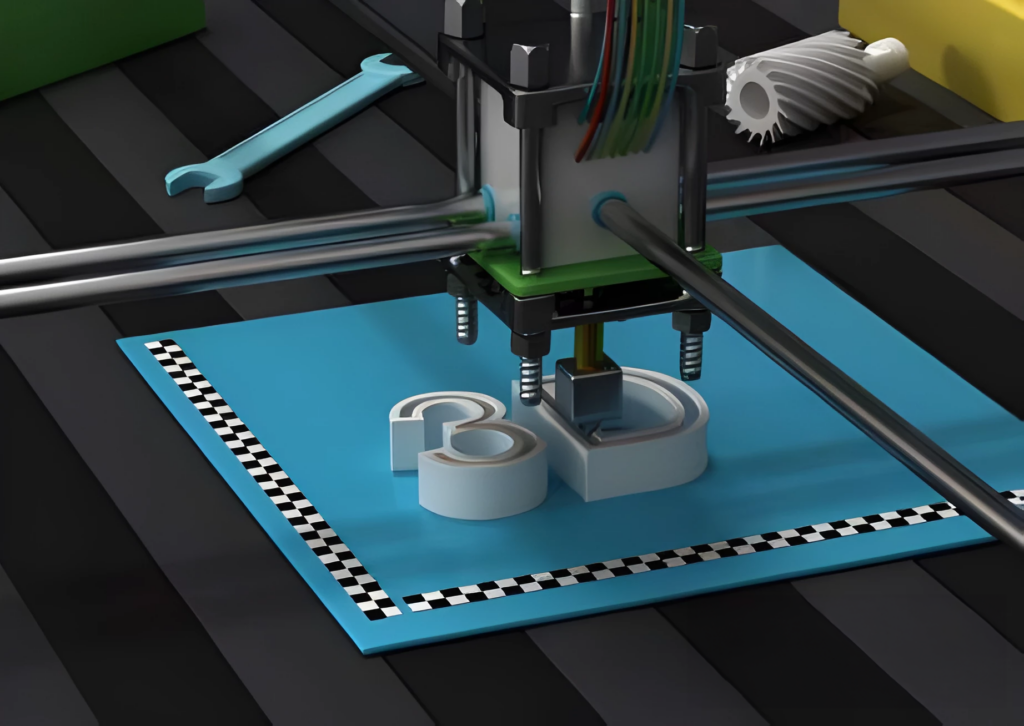 Photo from Google
The development of 3D printing technology has revolutionized many industries, from prototyping to end-product manufacturing. 3D printing offers unprecedented flexibility and opportunities for innovation. However, with its growing popularity, various 3D printing technologies have emerged in the market. Understanding the differences between these technologies can help businesses and individuals select the most suitable printing solution for their needs. This article introduces common types of 3D printing, including their principles, application scenarios, as well as their advantages and disadvantages.
- FDM (Fused Deposition Modeling)
1.1. Principle
FDM is one of the most common and earliest 3D printing technologies. It constructs models by stacking molten plastic filament layer by layer. During printing, the nozzle heats the filament to its melting point, extrudes it, and stacks the material layer by layer until the entire model is complete.1.2. Material
. PLA (Polylactic Acid): Eco-friendly and easy to print.
. ABS (Acrylonitrile Butadiene Styrene): Heat-resistant and impact-resistant.
. PETG (Polyethylene Terephthalate Glycol): Combines the ease of use of PLA with the strength of ABS.1.3. Advantage
. Low Cost: Suitable for entry-level users.
. Ideal for Rapid Prototyping: Efficient for creating quick design iterations.
. User-Friendly: Low barrier to entry with affordable equipment prices.1.4. Defect
. Lower Surface Finish: Requires post-processing to improve smoothness and aesthetics.
. Limited Strength and Durability: Suitable for making non-structural parts.1.5. Applicable Scenarios
. Mechanical parts prototypes
. Educational and DIY projects
. Simple functional objects
- SLA (Stereolithography)
2.1. Principle
SLA uses ultraviolet light to irradiate photosensitive resin, causing it to cure layer by layer. This technology enables extremely high precision and detailed expression, making it ideal for creating high-quality models.2.2. Material
. Resins (Standard resin, heat-resistant resin, flexible resin, etc.)2.3. Advantage
. High surface precision, ideal for creating models with intricate details.
. Capable of producing complex geometric shapes.
. Suitable for making transparent or semi-transparent objects.2.4. Defect
. Higher cost
. Limited material options
. Resin toxicity requires special handling and protective measures
. Requires ultrasonic or alcohol cleaning and post-UV curing processing2.5. Applicable Scenarios
. High-precision models
. Medical devices
. Jewelry design
. Industrial design prototypes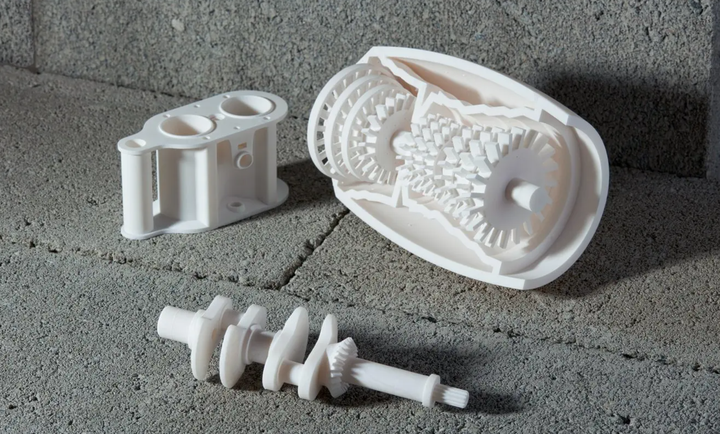
- SLS (Selective Laser Sintering)
3.1. Principle
SLS uses a laser to melt powdered material, building up the model layer by layer. This technology does not require support structures during the printing process, allowing for the creation of more complex shapes.3.2. Material
. Nylon powder
. Metal powder
. Ceramic powder3.3. Advantage
. High strength, suitable for functional parts
. No support structure needed, capable of printing complex models
. Good durability, suitable for long-term use3.4. Defect
. High equipment cost, suitable for professional users
. Surface roughness, requires post-processing3.5. Applicable Scenarios
. Industrial parts manufacturing
. Automotive and aerospace industries
. Small batch production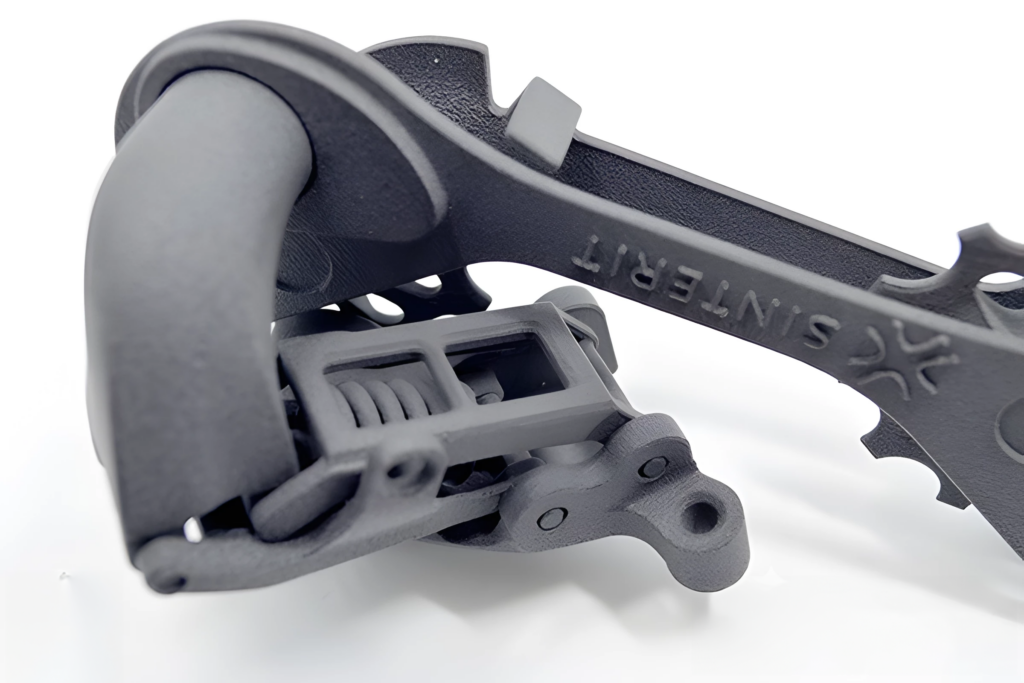
- MJF (Multi Jet Fusion)
4.1. Principle
MJF uses multiple nozzles to simultaneously jet molten material and detailing agents, and uses heat energy to fuse the material. This technology enables faster production speeds and better surface finish.4.2. Material
. Nylon
. TPU (Thermoplastic Polyurethane)4.3. Advantage
. Fast production, suitable for batch manufacturing
. Better surface quality, reducing post-processing needs
. Capable of achieving color printing4.4. Defect
. The equipment is expensive and suitable for large enterprises.
. Limited material options4.5. Applicable Scenarios
. Consumer product prototypes
. Industrial design prototypes
. Customized parts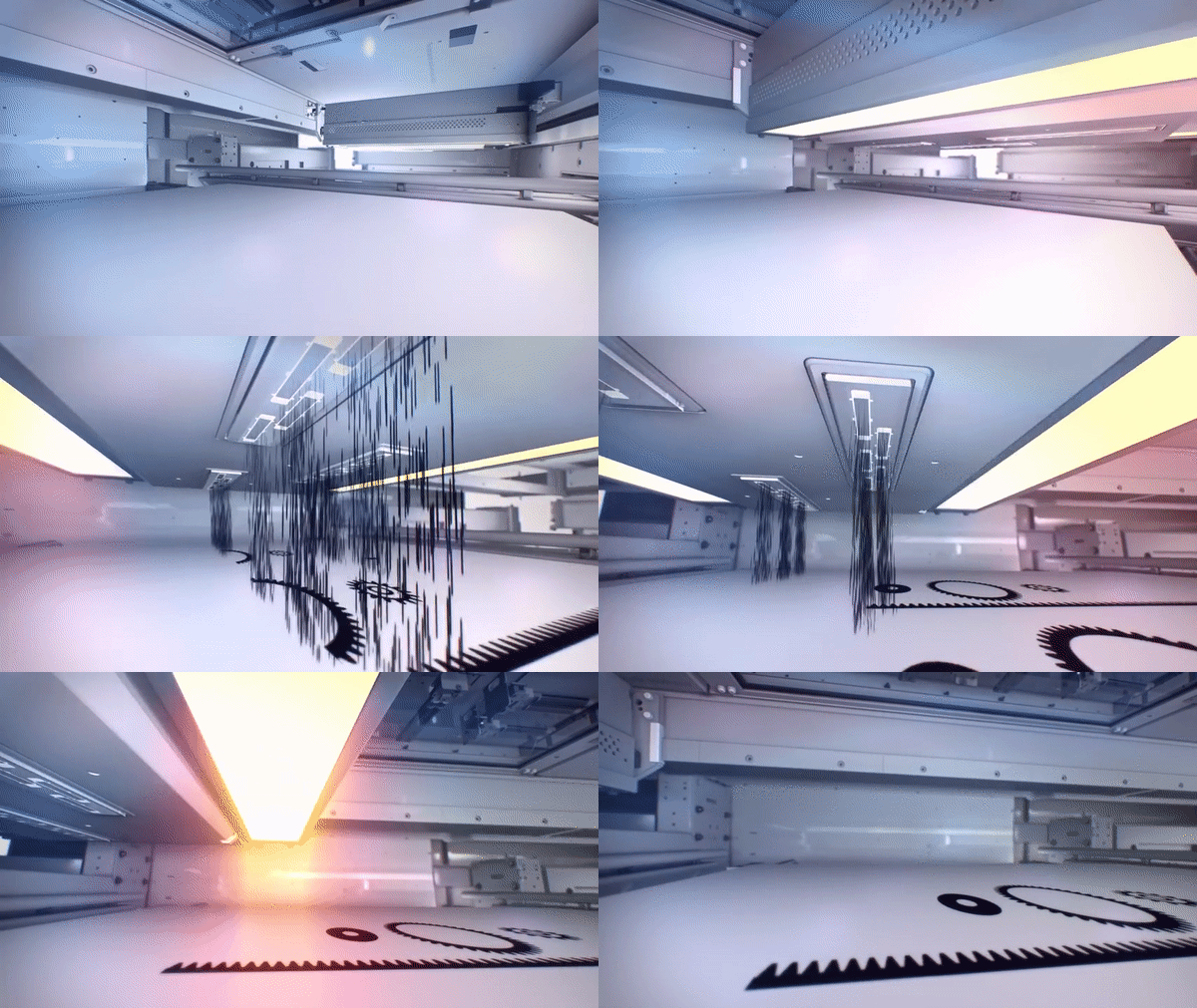
- Metal 3D Printing
5.1. Principle
Metal 3D printing technologies are primarily divided into SLM (Selective Laser Melting) and DMLS (Direct Metal Laser Sintering), both of which use lasers to melt metal powders to construct objects.5.2. Material
. Aluminum alloy
. Stainless steel
. Titanium alloy5.3. Advantage
. High strength, suitable for manufacturing structural components
. Capable of printing high-performance metal parts
. Ideal for producing high-precision parts for medical and aerospace applications5.4. Defect
. Extremely high cost, suitable only for professional applications
. Equipment and operation require specialized knowledge5.5. Applicable Scenarios
. Aerospace
. Medical implants
. High-performance part manufacturing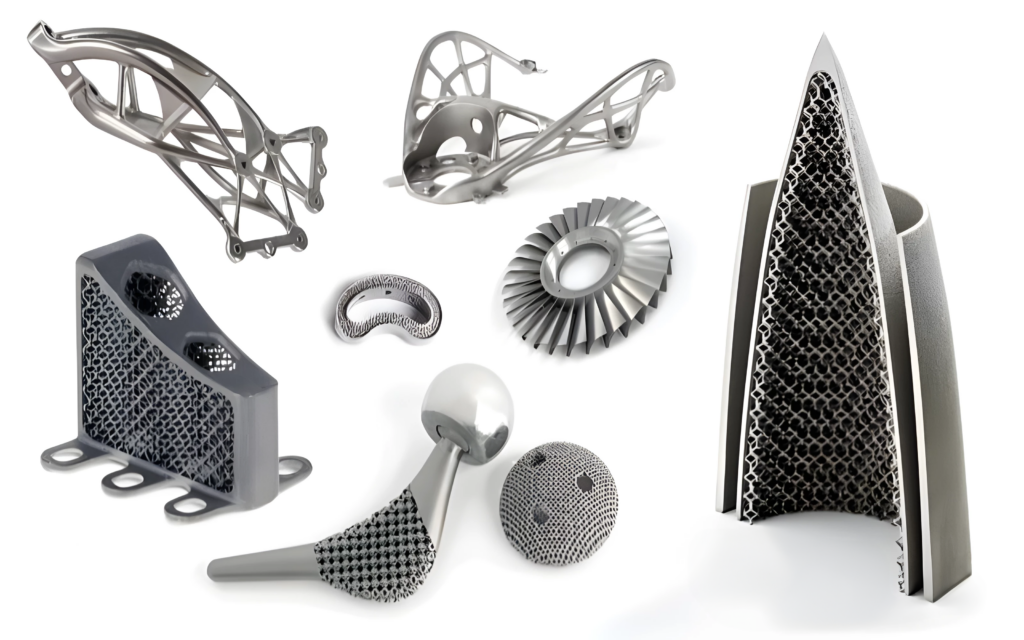
Different 3D printing technologies have their unique advantages and limitations. Choosing the right technology depends on the application, material requirements, budget, and other factors. Understanding these differences can help users leverage 3D printing more effectively to enhance production efficiency and product quality. In the future, with advancements in technology and the diversification of materials, 3D printing will play a key role in even more industries, bringing greater innovation opportunities across various fields.
—
The content is organized from online sources.
#3DPrinting #FDM #SLA #SLS #MJF #Metal3DPrinting