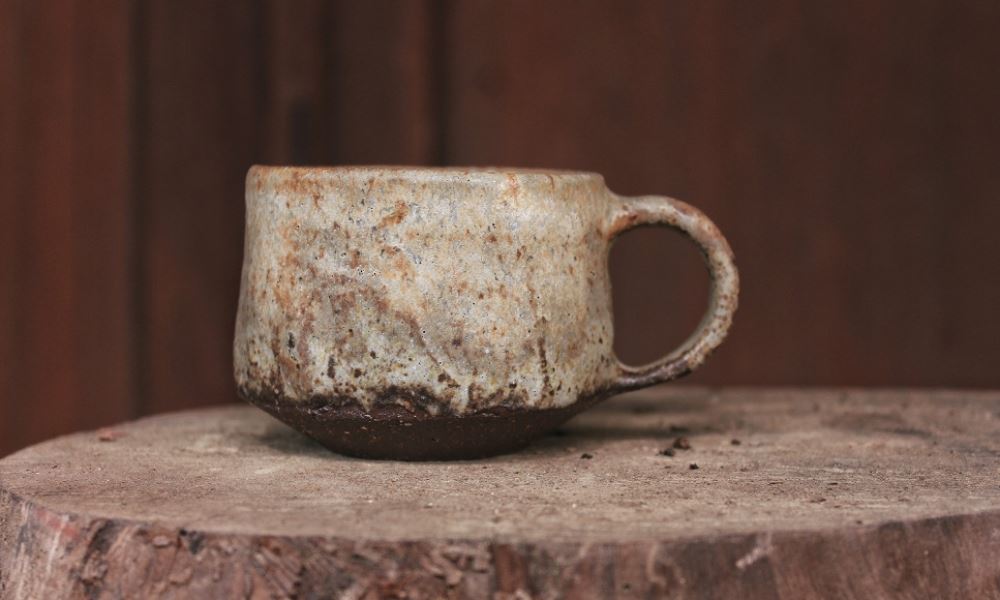
We often encounter the need to print designs on various materials—whether it's mugs, tiles, phone cases, or metal products. When you walk into a custom print shop or browse online personalization services, you'll often come across two techniques: 'High Fire Ceramics' and 'Heat Printing'. But what exactly is the difference between them? How should you choose? This article will break down these two common digital printing methods in the simplest way possible.
What is High Fire Ceramics ?
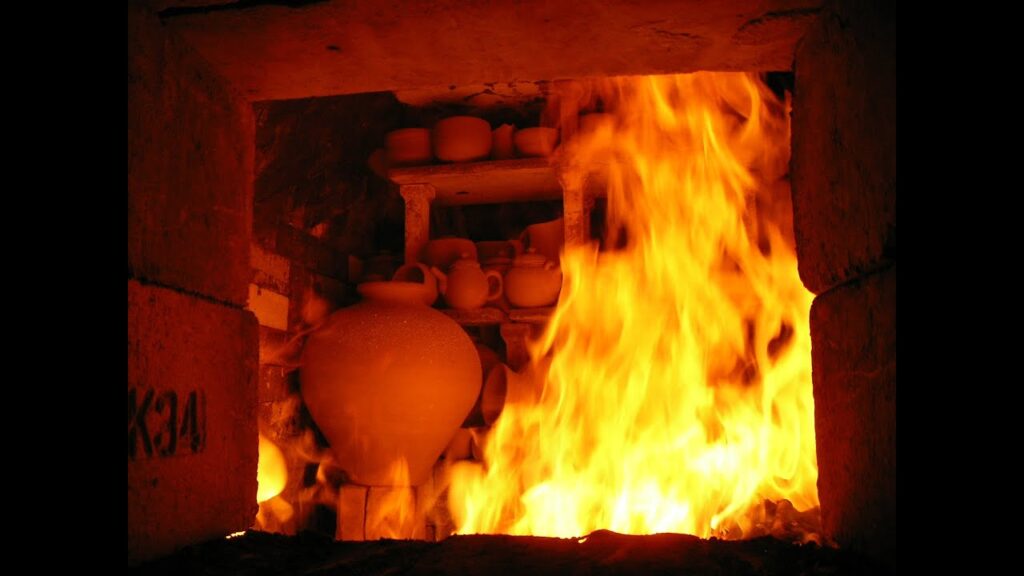
High Fire Ceramics is a traditional ceramic printing technique that has been modernized for use in digital printing. The production process typically involves the following steps:
- First, the design is printed onto a special transfer paper using heat-resistant ink.
- The transfer paper is applied to the surface of the item (such as a ceramic mug or tile).
- The item is placed in a professional kiln and fired at a temperature above 800°C for several hours.
- After cooling, the pattern becomes permanently fused with the surface of the object.
Advantages of High Fire Ceramics:
- Excellent durability: The design can withstand daily use in dishwashers and microwaves.
- Long-lasting color: Resistant to fading from sun exposure.
- Natural texture: The image is fused into the surface, with no noticeable bumps.
- Food-safe: After high-temperature firing, the item is completely non-toxic and meets FDA standards.
Disadvantages of High Fire Ceramics:
- Long production time: It usually takes more than 24 hours from printing to completion.
- Higher cost: Equipment and energy costs are reflected in the price.
- Material limitations: Primarily suitable for high-temperature materials like ceramics and glass.
What is Heat Printing ?
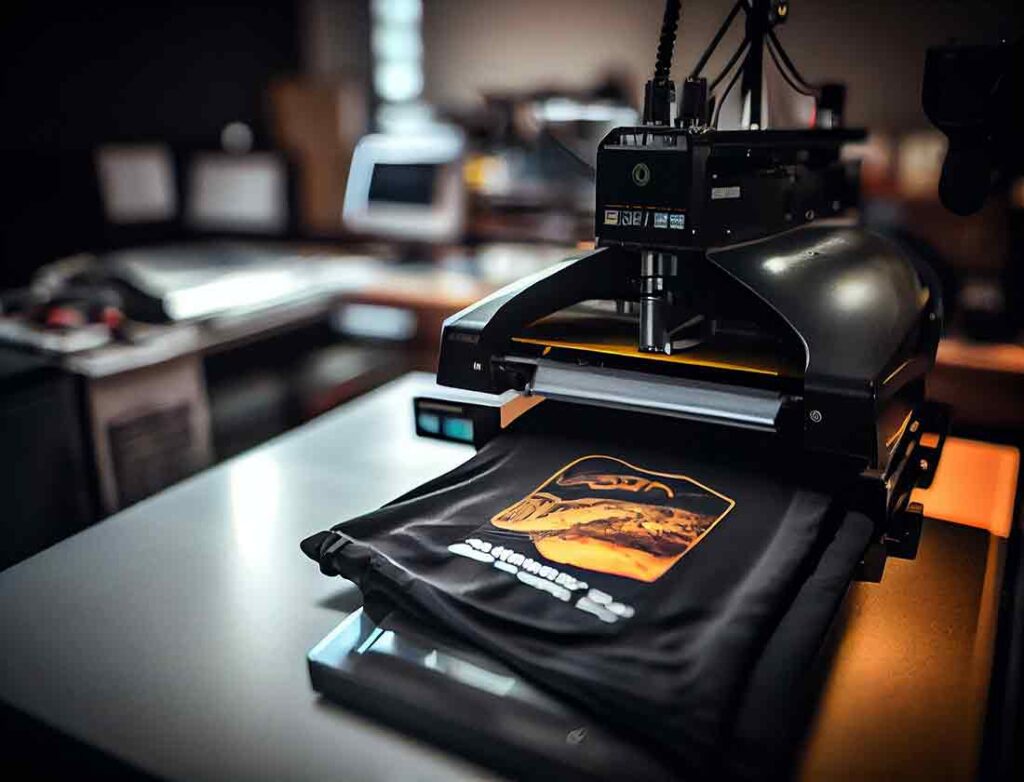
Heat Transfer Printing is a more modern digital printing technology, suitable for short-term event souvenirs, decorative items, and products that do not require frequent washing. Its operation principle is entirely different:
- The design is printed in reverse using regular ink on special transfer paper.
- The transfer paper is then placed on the surface of the item.
- A heat press machine is used to heat it at around 200°C for several seconds to a few minutes.
- The transfer paper is peeled off, and the design is transferred onto the item.
Advantages of Heat Printing:
- Fast completion: From design to finished product, it may only take a few minutes.
- Lower cost: Equipment and material requirements are relatively low.
- Wide application: Suitable for various materials such as ceramics, metals, fabrics, plastics, and more.
- Vibrant colors: Can produce very rich and saturated color effects.
Disadvantages of Heat Printing:
- Lower durability: May fade or peel off after prolonged use or washing.
- Noticeable texture: The printed design usually has a slight adhesive film feel.
- Temperature limitations: Not suitable for high-temperature environments (e.g., microwaves, dishwashers).
- Food safety concerns: Some low-cost materials may not meet FDA standards.
How to Choose? 5 Key Factors to Consider.
- Purpose of use:
- Everyday items like mugs? Choose high fire ceramics.
- Just for decoration or short-term event items? Heat transfer printing will suffice. - Budget considerations:
- Willing to pay more for quality? Choose high fire ceramics.
- Limited budget and large quantities? Heat transfer printing is more economical. - Time requirements:
- Not in a rush? High fire ceramics is worth the wait.
- Need it by tomorrow? Heat transfer printing delivers fast. - Material limitations:
- Ceramic or glass products? Both methods are suitable.
- Fabric or plastic products? Heat transfer printing is the only option. - Safety requirements:
- For food-related items? Be sure to confirm compliance with safety standards.
- For decorative purposes only? Safety requirements are less stringent.
Common Misconceptions – Debunked
❌"The colors from kiln firing are more limited."
✅ Modern digital kiln-firing technology can now produce rich, vibrant colors—almost comparable to heat transfer printing.
❌"Heat transfer prints peel off easily."
✅ High-quality heat transfer prints can also last 1–2 years without fading when used properly.
❌"High fire ceramics produces heavy black smoke and pollution."
✅ As long as the fuel (e.g., wood) is fully combusted, black smoke is minimal. Excessive smoke is usually caused by incomplete combustion, not an inherent result of the kiln firing process itself.
Consumer Tips
- Ask about technical details: Don't just ask "Is it printed?"-specifically ask which printing method is used.
- Check certification labels: For food-related items, always confirm safety certifications.
- Request samples: View the actual results before placing a large order.
- Understand after-sales support: Ask about policies for fading or damage.
- Consider environmental impact: Kiln firing is usually more ECO-friendly, with materials that naturally decompose.
No matter which technology you choose, the most important thing is to find a reputable manufacturer and clearly communicate your needs. Now that you have the basic knowledge, you'll be able to make more informed decisions when customizing products next time!
—
The content is organized from online sources.
#HighFireCeramics #HeatTransferPrinting #Ceramics #Glass