
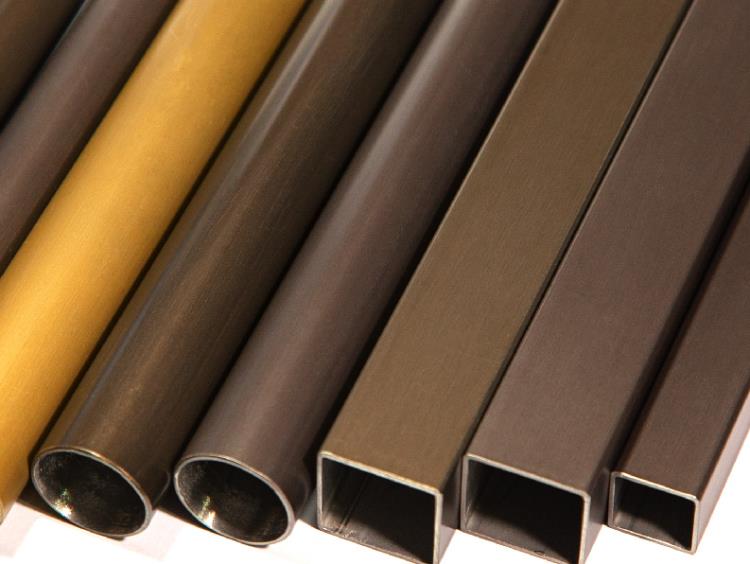
Metal surface treatment is a process that enhances the functionality and aesthetics of metal, aiming to improve the texture and user experience of the product. The metal material itself may have a monotonous appearance or not meet specific design requirements. Through appropriate surface treatments, the overall quality of the product can be significantly improved. Common surface treatment methods include electroplating, anodizing, sandblasting, and painting. These techniques are selected based on the type of material, usage environment, and expected lifespan, not only to improve the durability of the product but also to significantly enhance its visual quality.
Next, let's introduce some common metal surface treatment effects that enhance the functionality of products while also giving them a unique aesthetic and design style.
Chrome
Chrome typically refers to chrome plating, a process where a layer of chromium is deposited on the surface of metals or plastics. This treatment offers advantages such as high gloss, corrosion resistance, abrasion resistance, and increased hardness. The main characteristic of this surface treatment is its high-brightness mirror effect, which gives products a more refined and upscale appearance. It is commonly applied to automotive parts, household items, bathroom fixtures, and electronic products.
However, traditional chrome plating can produce toxic hexavalent chromium, which is harmful to both the environment and human health. With the increasing awareness of environmental issues, many countries have implemented strict regulations on hexavalent chromium. Currently, more environmentally friendly trivalent chromium technology is gradually being adopted in the market. Trivalent chromium is relatively harmless and is one of the essential trace elements for the human body. It can provide similar protective and aesthetic effects as hexavalent chromium without generating harmful toxic substances, making it more in line with modern environmental standards.
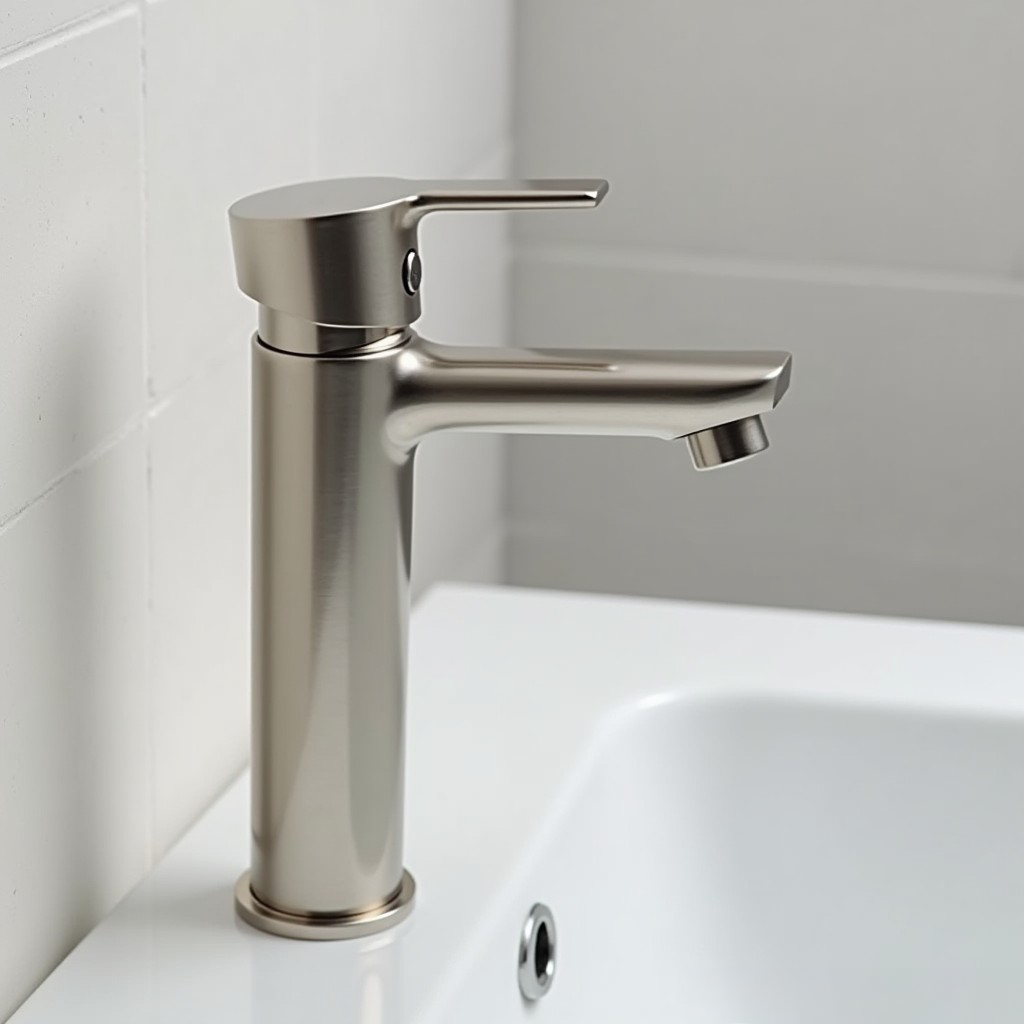
Satin Nickel
Satin Nickel is a commonly used metal surface treatment that features a smooth, matte finish with a subtle, soft sheen. This treatment is achieved by electroplating nickel onto the metal surface, followed by brushing or light polishing to create a texture that scatters light. Unlike high-gloss polished nickel, Satin Nickel presents a more understated, modern aesthetic. This surface treatment is widely applied in hardware, lighting fixtures, and home appliances. Satin Nickel is particularly suitable for modern and transitional interior design styles and pairs well with materials such as wood, glass, and stone.
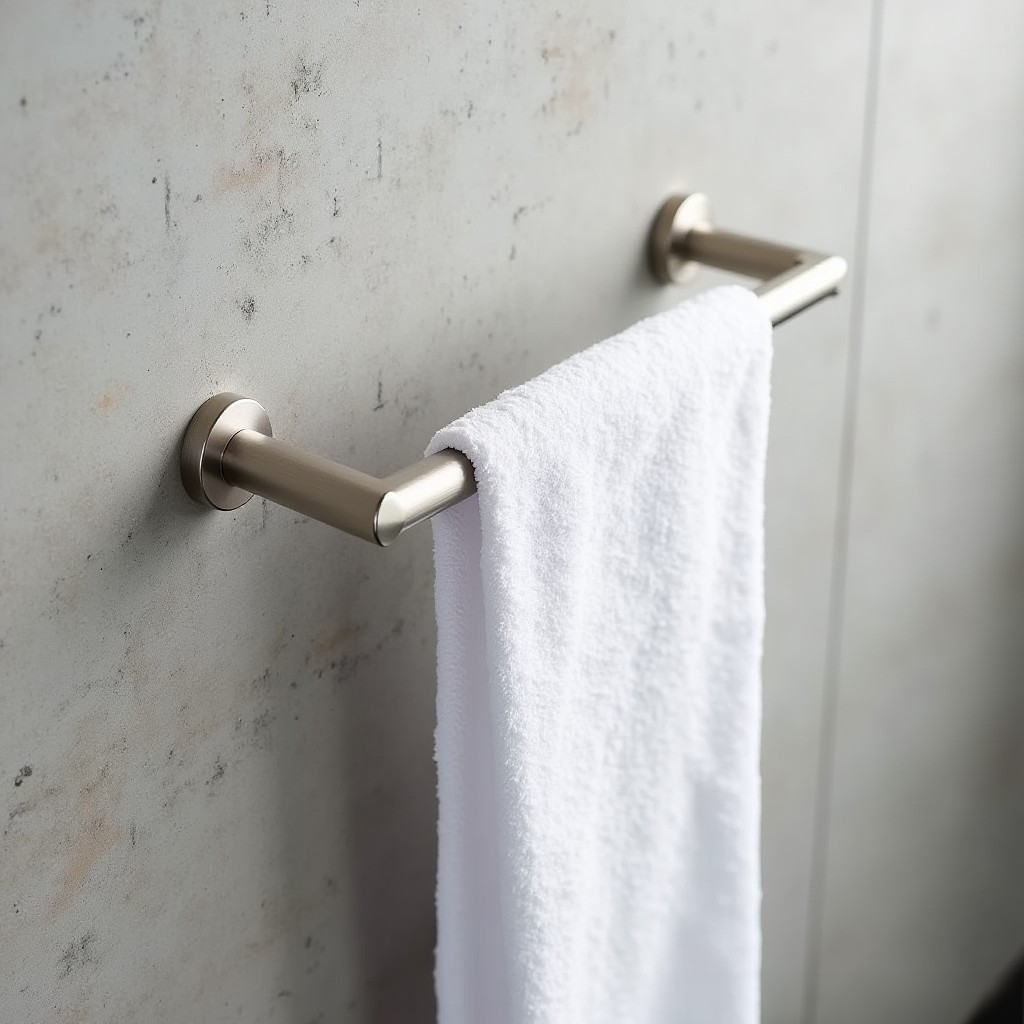
Matte Black
Matte Black is a non-reflective black surface treatment that has lower light reflectivity compared to glossy black. Its corresponding RGB value is (23, 23, 23), indicating that this color is composed of 33% red, 33% green, and 33% blue. Matte Black surface treatment is widely used in various product designs, such as electronics, automobiles, and household items, and is often employed to enhance a product's modernity and quality. Some Matte Black surfaces undergo special treatments to improve wear resistance and scratch resistance, extending the product's lifespan. Its non-reflective properties effectively reduce glare, providing a more stable visual effect.
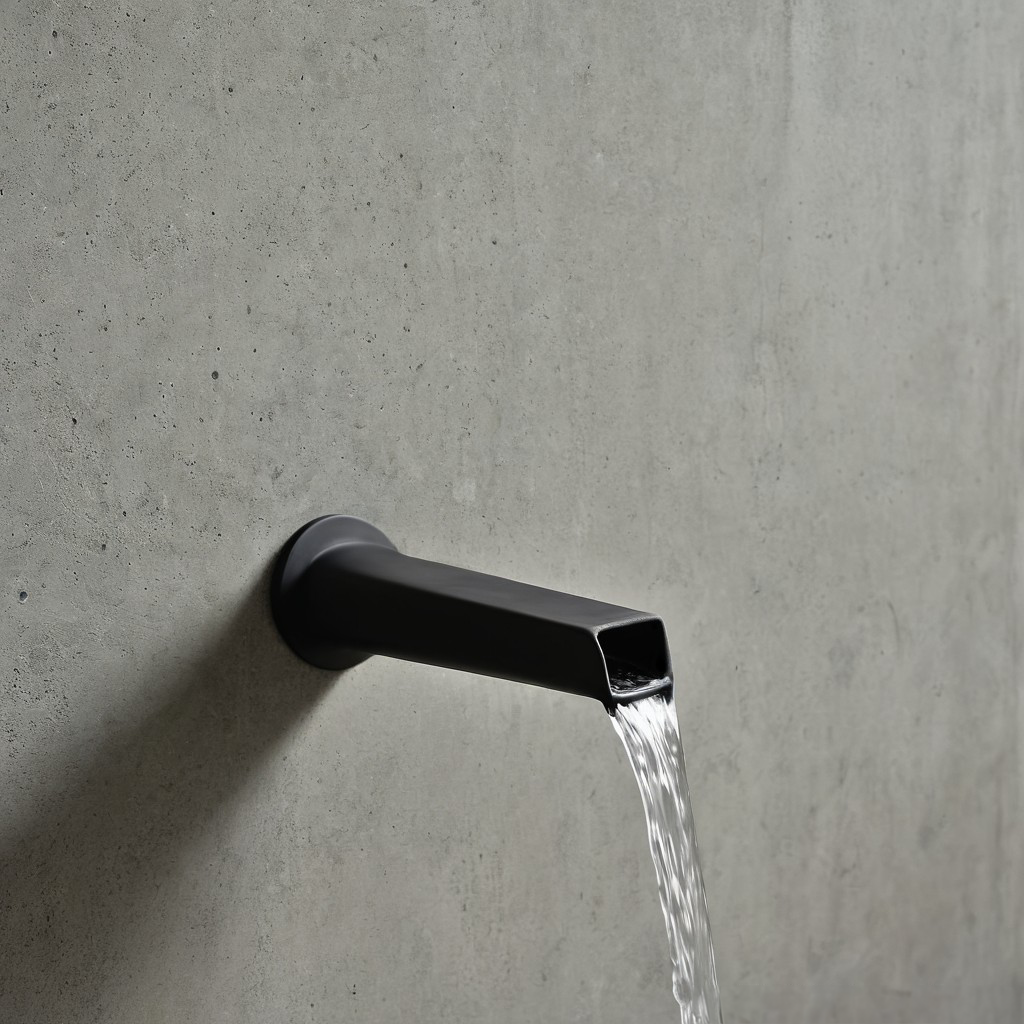
Venetian Bronze
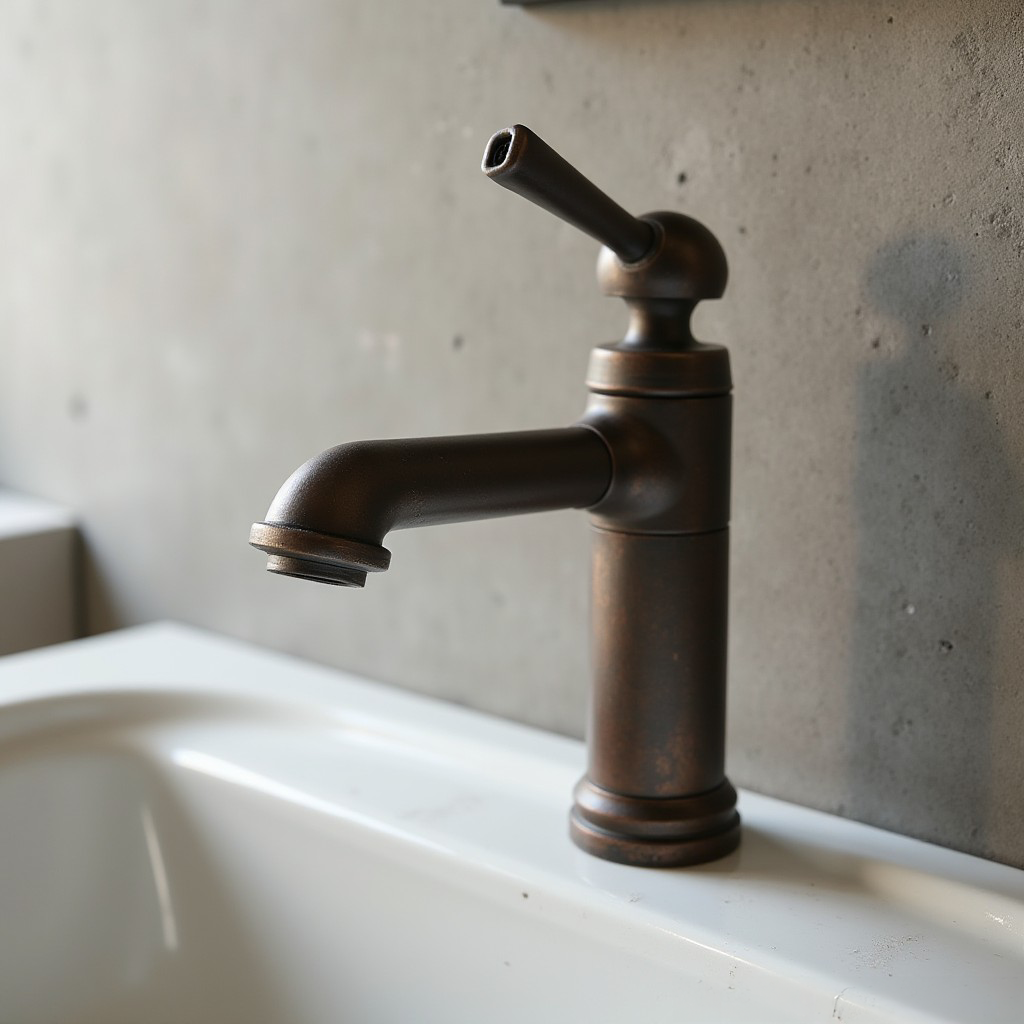
Venetian Bronze is a unique metal surface treatment known for its vintage yet modern appearance. This process typically displays a deep brown or black metallic finish, accented with subtle amber or gold textures. Venetian Bronze is commonly applied in a variety of products, including home hardware, door locks, handles, light fixtures, and bathroom accessories. Many designers utilize it in traditional styles and designs that evoke a sense of history.
In addition to its captivating appearance, Venetian Bronze surface treatment offers excellent resistance to wear and corrosion, ensuring that products maintain their like-new condition even after extended use. Compared to traditional polished metals, Venetian Bronze is more stain-resistant and less prone to fingerprint marks, making it easy to maintain and ideal for everyday use.
—
The content is organized from online sources.