
July 20, 2024
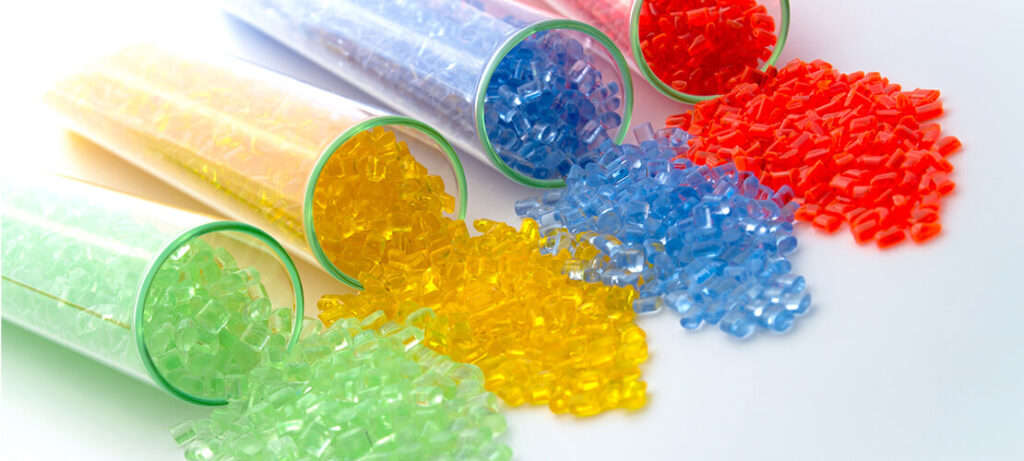 Photo from Google
Have you often heard terms like PP, PC, ABS but aren't quite sure what sets them apart? Plastics have a wide range of applications in daily life, with each material offering unique characteristics such as strength, compression resistance, heat resistance, and appearance. Beyond basic properties, different plastic materials can be tailored to have special features, such as chemical resistance or high transparency, to meet various environmental and functional requirements. Therefore, it's crucial to consider the design and manufacturing of the product to choose the right material.
Here is a summary of common types of plastics and their applications in daily life. Let's take a closer look and learn more about them!
PE (Polyethylene)
- Chemical Properties: Exhibits excellent chemical resistance, with strong tolerance to acids, alkalis, and salt solutions, and is insoluble in common solvents.
- Mechanical Properties: Good flexibility, strong impact resistance, and wear resistance. It maintains good performance even at low temperatures.
- Advantages: Moisture-resistant, waterproof, easy to process, and recyclable.
- Disadvantages: Poor high-temperature resistance (maximum temperature around 90°C), low rigidity, and prone to deformation.
- Typical Applications: Plastic bags, food packaging films, plastic bottles, toys, and containers.
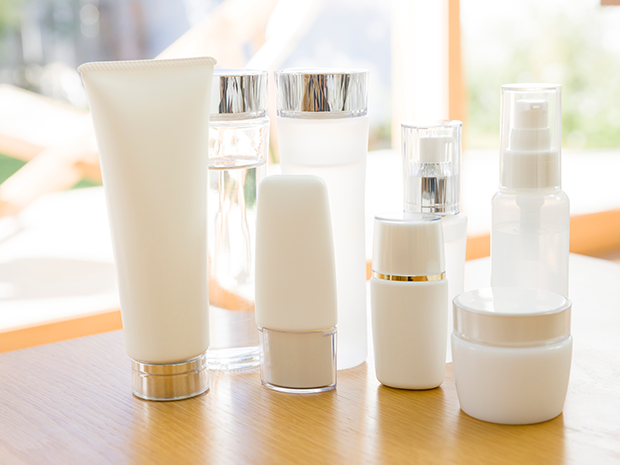
PP (Polypropylene)
- Chemical Properties: Strong resistance to chemical corrosion, resistant to acids, alkalis, and organic solvents. It also has good resistance to environmental stress cracking.
- Mechanical Properties: High strength, excellent rigidity, good fatigue resistance, and surface hardness superior to PE.
- Advantages: Lightweight, high-temperature resistance (up to 120°C), and easy to mold and process.
- Disadvantages: Becomes brittle at low temperatures, poor UV resistance, and requires the addition of antioxidants or UV stabilizers.
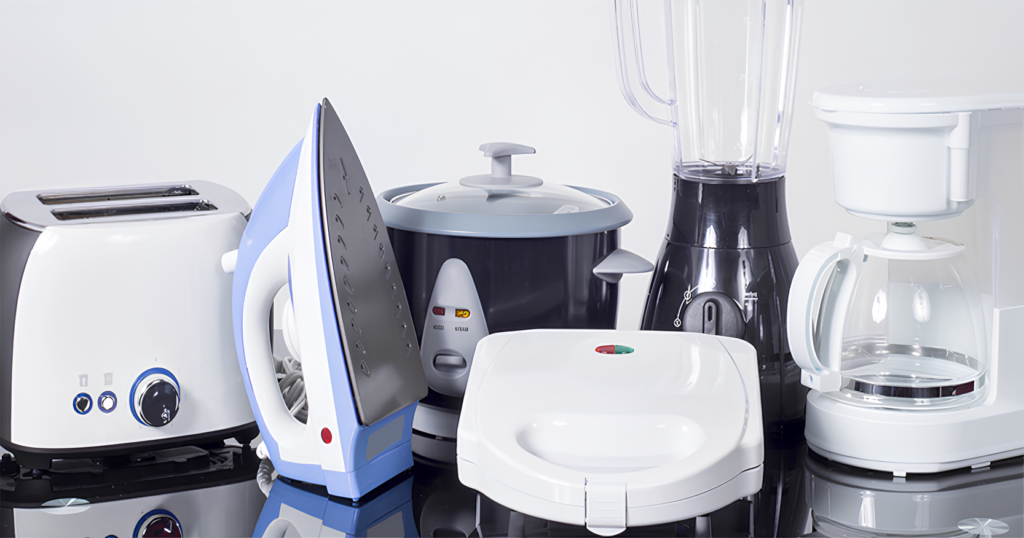
- Typical Applications: Automotive interiors, food containers, pipes, household appliance parts and housings, etc.
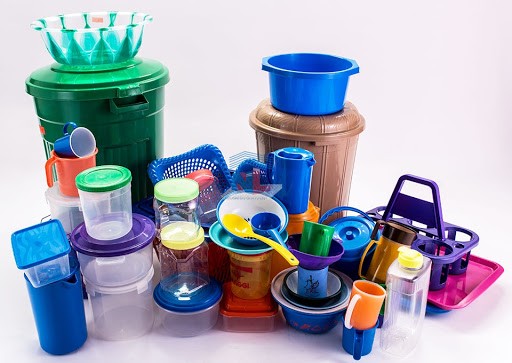
PVC (Polyvinyl Chloride)
- Chemical Properties: Good chemical resistance to acids, alkalis, and oils, but not resistant to high temperatures and organic solvents.
- Mechanical Properties: High rigidity and good wear resistance. Depending on the additives used, PVC can be made into either rigid or flexible forms.
- Advantages: Cost-effective, good flame resistance, high durability, and easy to process and mold.
- Disadvantages: Significant environmental concerns (contains chlorine), and requires stabilizers to improve thermal stability.
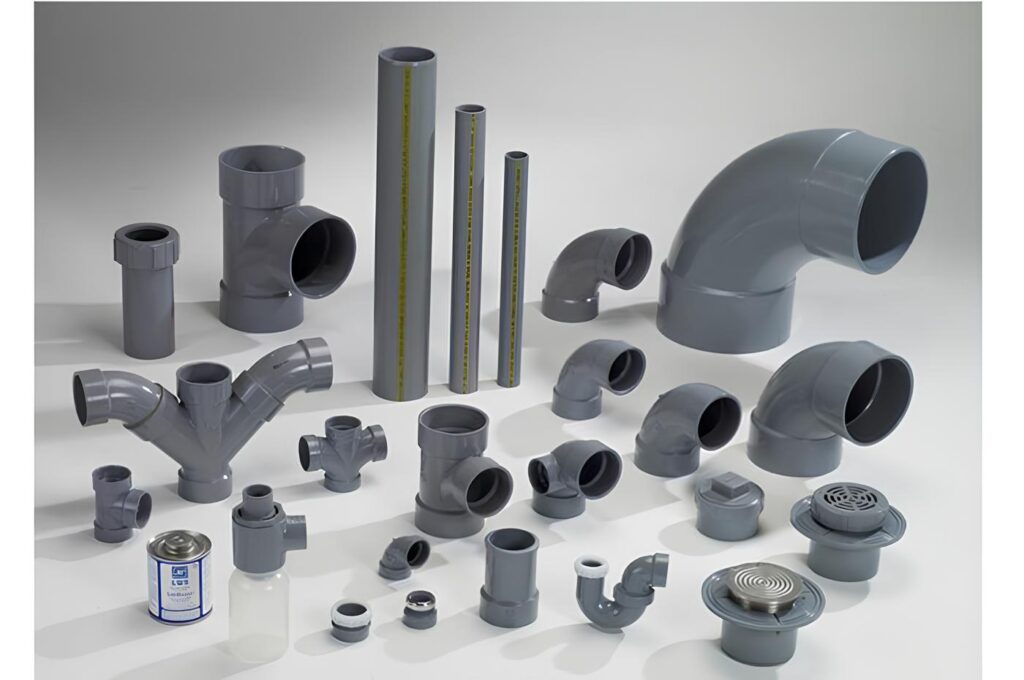
- Typical Applications: Building materials (e.g., pipes, window frames, flooring), electrical wires and cables, medical devices, and packaging films.
PS (Polystyrene)
- Chemical Properties: Good chemical stability but not resistant to organic solvents such as benzene, ketones, and aldehydes. It is also sensitive to oils and fats.
- Mechanical Properties: High transparency, good hardness and rigidity, but with high brittleness and susceptibility to cracking.
- Advantages: Excellent transparency, easy to process, cost-effective, and good electrical insulation properties.
- Disadvantages: Poor impact resistance, brittle, and moderate heat resistance (maximum temperature around 70–90°C).
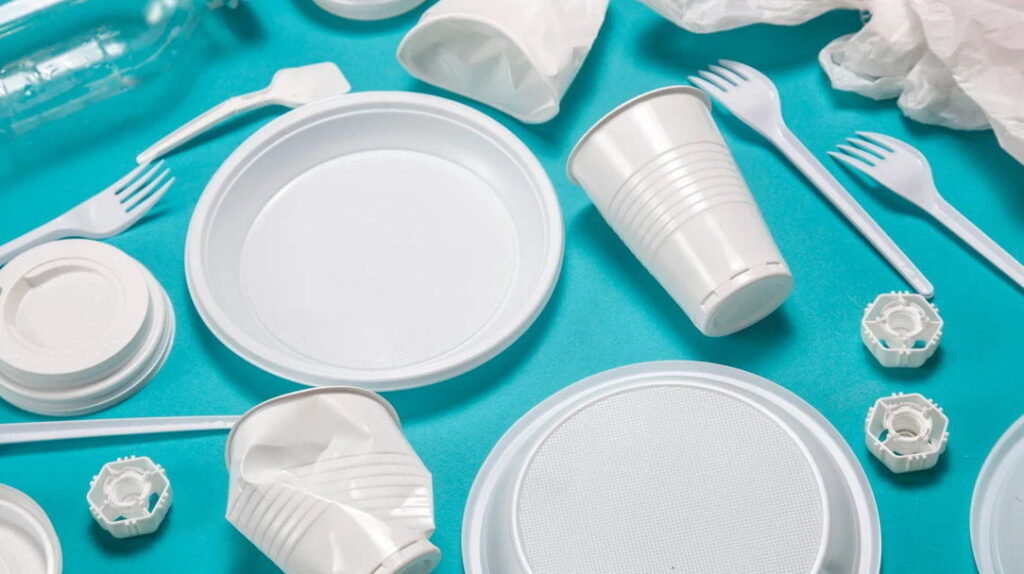
- Typical Applications: Disposable cutlery, CD cases, stationery, expanded polystyrene (EPS) for packaging and construction materials, and appliance housings.
PET (Polyethylene Terephthalate)
- Chemical Properties: Good resistance to acids and oils, but not resistant to alkalis. PET has good hydrolytic stability.
- Mechanical Properties: High strength, high toughness, excellent tensile properties, good wear resistance, and high rigidity.
- Advantages: High transparency, good gas permeability, strong chemical resistance, easy to recycle, and high compressive strength.
- Disadvantages: Moderate heat resistance (heat resistance temperature around 80–100°C), high processing temperature, and slow crystallization rate.
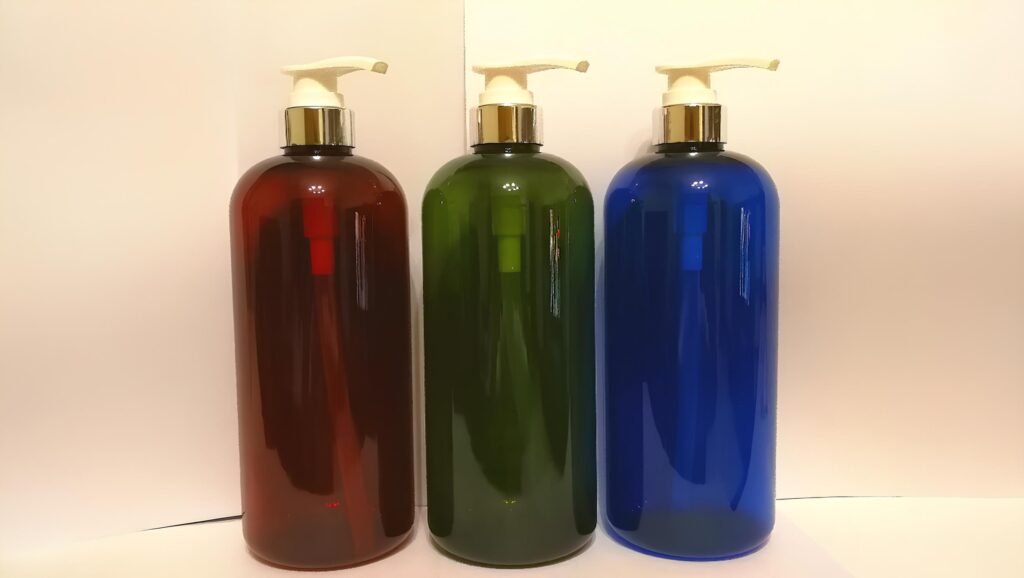
- Typical Applications: Beverage bottles, food packaging, textile fibers, and optical films.
PC (Polycarbonate)
- Chemical Properties: Resistant to acids, fats, and other chemicals, but sensitive to alkalis and certain organic solvents. It is also prone to environmental stress cracking.
- Mechanical Properties: High strength, high rigidity, with exceptional impact resistance, excellent transparency, and good dimensional stability.
- Advantages: Excellent heat resistance (can withstand 140–160°C), superior electrical properties, easy to process and mold, and can be used as a glass substitute.
- Disadvantages: Poor chemical resistance, easily scratched, relatively expensive, and poor UV stability.
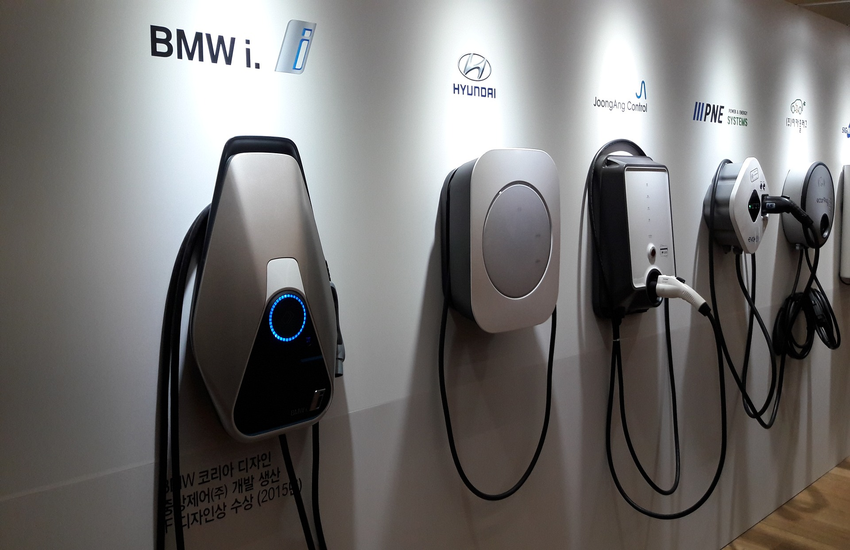
- Typical Applications: Bulletproof glass, automotive parts, electronic device housings, optical lenses, and optical discs.
ABS (Acrylonitrile Butadiene Styrene Copolymer)
- Chemical Properties: Resistant to acids, alkalis, and fats, but not resistant to strong oxidizers. It is prone to aging when exposed to sunlight.
- Mechanical Properties: Combines rigidity, toughness, and impact resistance, with good surface gloss and processing properties, and excellent wear resistance.
- Advantages: Can be electroplated and painted, easy to color, offers a balance of rigidity and flexibility, and has high impact strength.
- Disadvantages: Poor weather resistance, prone to discoloration when exposed to UV light for extended periods, and moderate solvent resistance.
- Typical Applications: Automotive trim, household appliance housings (e.g., televisions, refrigerators), toys (e.g., LEGO bricks), electronic device housings, and pipes.
These plastic materials each have unique advantages and disadvantages. When choosing a material, it's essential to consider the product's functional requirements, usage environment, processing methods, and cost. Different applications may prioritize specific plastic materials to meet particular performance criteria, such as heat resistance, strength, or transparency.
—
This article is compiled from online sources.
#productdevelopment #productdesign #plastic #molding