
July 18, 2024
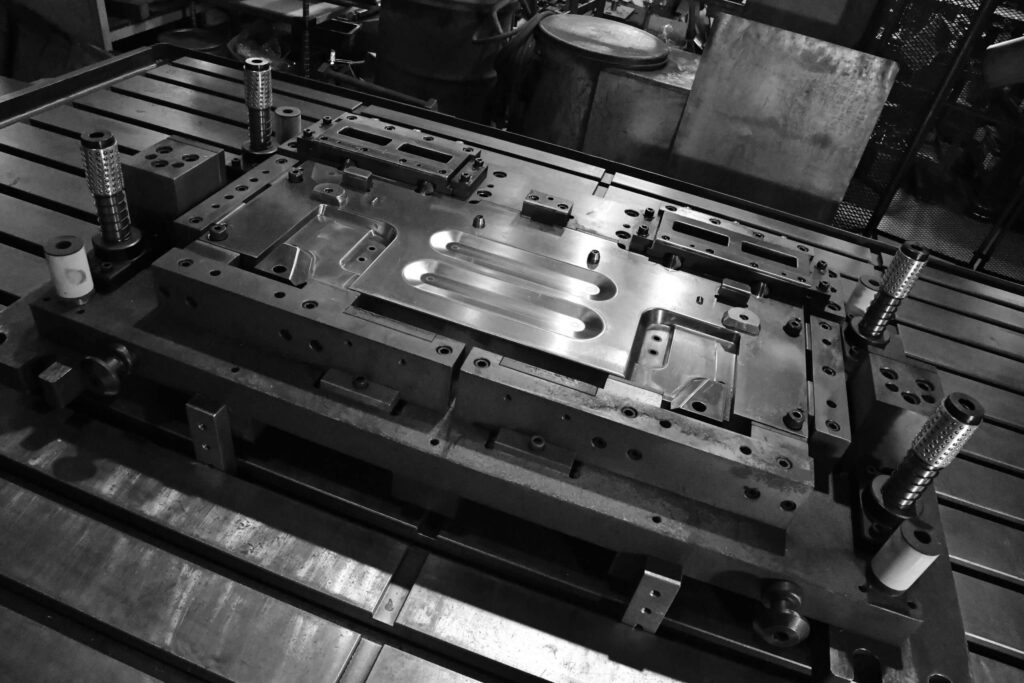
Photo from Google
Stamping is a metalworking process that applies pressure to metal sheets using dies and stamping machines, causing the material to deform or separate to create parts with specific shapes, dimensions, and properties. This is a highly efficient mass production technique commonly used in the manufacturing of components for automobiles, electronic devices, household appliances, and other industries.
In stamping production, stamping mold are indispensable core tools. The choice of die type significantly impacts the processing quality, production efficiency, and cost control of metal products. This article provides an in-depth comparison of two common types of stamping mold: single-process mold and progressive mold.
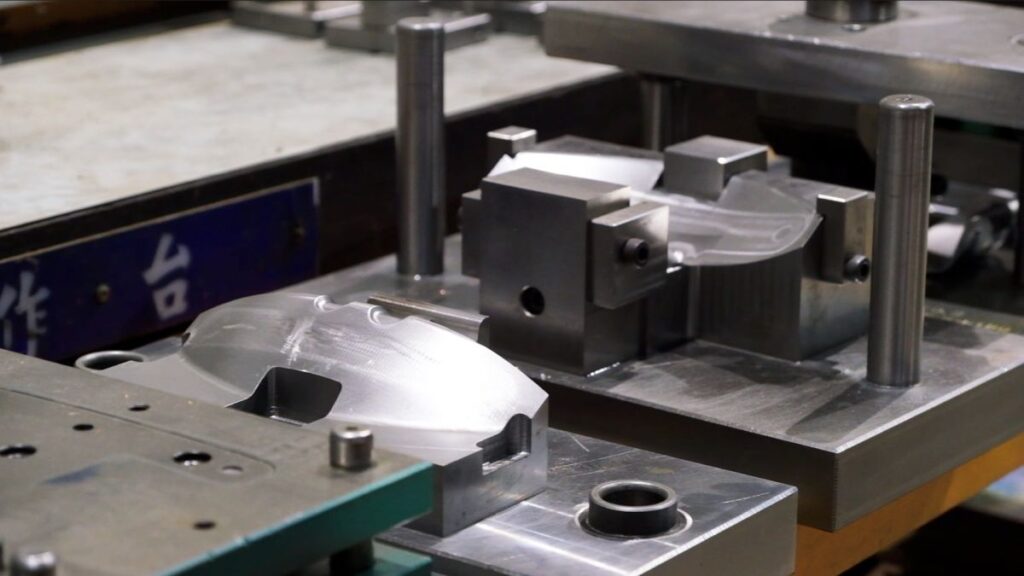
- Processing Methods
Single-Process Mold Processing Method
- Features: Each die performs only one processing operation, such as edge trimming, punching, or bending.
- Operation: Multiple handling and positioning of the workpiece are required, with each operation needing to be completed separately.
- Advantages: Suitable for small batch production, with relatively simple die design and lower maintenance costs.
- Disadvantages: Low efficiency, as the workpiece needs to be repeatedly handled and repositioned. High labor costs and the potential for accumulated errors.
Progressive Mold Processing Method
- Features: Multiple operations are completed in a single mold. The material enters the mold in strip or coil form and undergoes continuous processing through multiple stations.
- Operation: The mold is mounted on the stamping press, and with each movement of the press slider, the material is progressively fed in, completing multiple operations and producing the finished part.
- Advantages: Suitable for mass production, high efficiency, reduced labor costs, and excellent product consistency.
- Disadvantages: High mold design and manufacturing costs, maintenance requires specialized skills, and significant initial investment.
2. Applicable Scenarios
Single-Process Mold
- Suitable for small batch production and diverse product manufacturing.
- Low initial design and manufacturing costs, offering greater flexibility for production lines with changing mold requirements.
- Prototype production for trial runs, custom products, or the development of new products.
Progressive Mold
- Suitable for mass production of standardized products.
- Suitable for situations that require high efficiency and stability, such as mass-produced automotive parts, electronic components, and other high-volume products.
- The complexity of the product shape and the characteristics of the production materials need to be considered.
3. Mold Structure
- Single-Process Mold: Simple structure, with each die corresponding to a single processing operation.
- Progressive Mold: Complex structure, with multiple stations inside the die, including functions such as feeding, positioning, and cutting, working together to complete the entire process.
4. Cost and Maintenance
- Single-Process Mold: Lower die manufacturing and maintenance costs, but lower production efficiency, with relatively higher labor costs.
- Progressive Mold: High die cost, but as the cost is spread across a large volume of products, the unit cost per product decreases. It is suitable for long-term, stable production.
5. Consideration of Product Thickness
Product Thickness Consideration for Single-Process Mold
- Single-Process Mold offer high flexibility, allowing for the design of single-operation dies for different material thicknesses, such as punching, bending, cutting, and more.
- Suitable for processing thicker or harder materials, as the process is divided into multiple operations, reducing the force required for each stamping and decreasing the burden on the die.
- Suitable for a wide range of material thicknesses, from thin to thick plates, with thicknesses >3 mm being more appropriate.
- Step-by-step processing can reduce material springback issues.
Product Thickness Consideration for Progressive Mold
- Typically suitable for processing thin sheet materials, primarily ranging from 0.1 mm to 3 mm. Thicker materials are not only difficult to handle in strip form but also result in high scrap rates.
- Thin materials are easier to maintain precision and stability during the continuous feeding process, reducing equipment wear and tear.
- More prone to material springback, requiring higher design accuracy.
- The goal of progressive mold design is high-speed processing. Excessively thick materials can reduce stamping speed, weakening its advantage in efficient production.
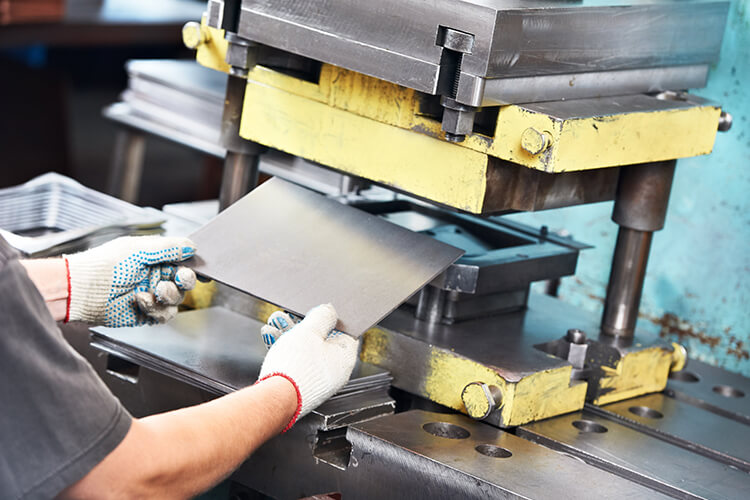
Single-process mold and progressive mold exhibit distinctly different advantages and limitations in design, application, and manufacturing strategies. Therefore, a comprehensive evaluation should be conducted based on product requirements, production scale, material characteristics, and equipment conditions to select the most suitable stamping method.
Comprehensive Recommendation:
- For small to medium batch products or when processing materials thicker than 3 mm, single-process mold should be prioritized.
- For large-scale production or when high efficiency and precision are required, progressive mold should be prioritized.
- In the initial evaluation, closely collaborate with the processing plant to select the most suitable processing method based on product size, material characteristics, and demand volume.
Key Considerations:
- How production scale affects cost and efficiency?
- Do material characteristics require special demands on the die or equipment?
- Is the initial investment (die development cost) reasonable compared to the long-term cost-effectiveness?
—
The content is organized from online sources.
#stamping #singleprocessmold #progressivemold #metal