FIPEA Design – 設計代工 . 數位設計 . 現成設計販售

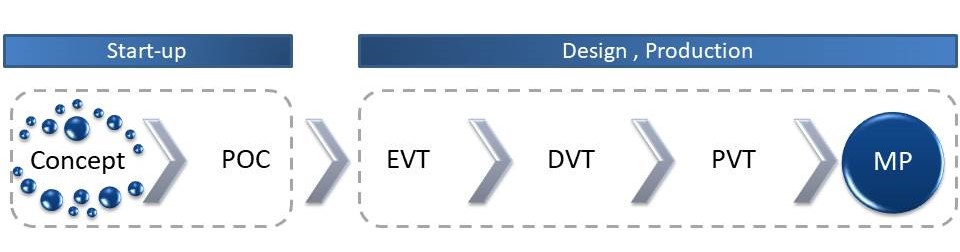
Concept to Market: The Six Stages of Product Development

July 8, 2024

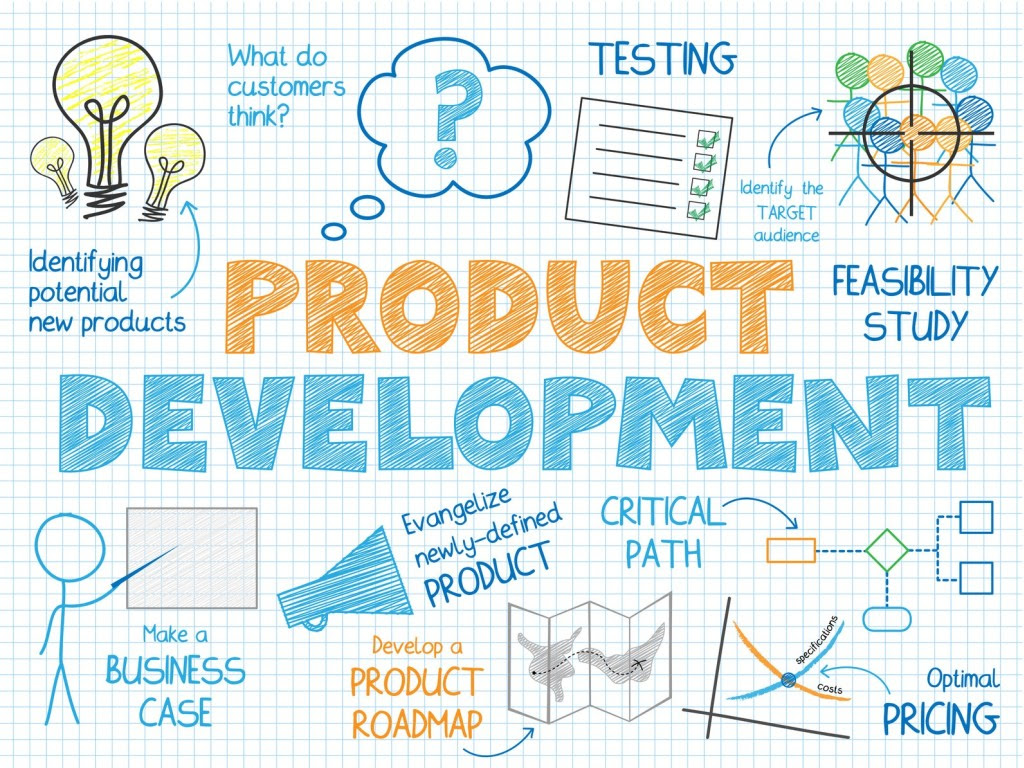
Photo from Google


Product development is a challenging and complex process, especially for startups. The initial difficulties become even more pronounced when it involves hardware development and software integration. Taking the crowdfunding platform Kickstarter as an example, tech products often have high funding amounts and a large number of products, but they also face a higher failure rate, with delayed deliveries being quite common. Therefore, before diving into product development, we must understand the various stages from concept to launch to minimize potential risks and increase the success rate.
 
Concept
A good idea originates from solving a specific pain point. However, only ideas that are accepted by the market can be transformed into products. Therefore, before product development, market research is a key method to understand market demand. Market research methods can include surveys, collecting competitor data, and understanding the strengths of potential competitors. Market research is merely an initial verification of the feasibility of the product concept and does not guarantee that good market research results will lead to a successful product.
 
POC: Proof of Concept

Although market research is an important step in understanding market demand, it does not guarantee that the product can be successfully developed and launched. Product concepts are often idealized, but during the actual development process, many unforeseen challenges arise, such as hardware-software integration, functionality performance, production costs, and safety regulations. These issues only become apparent as development progresses. Therefore, the validation of new product concepts is particularly crucial.

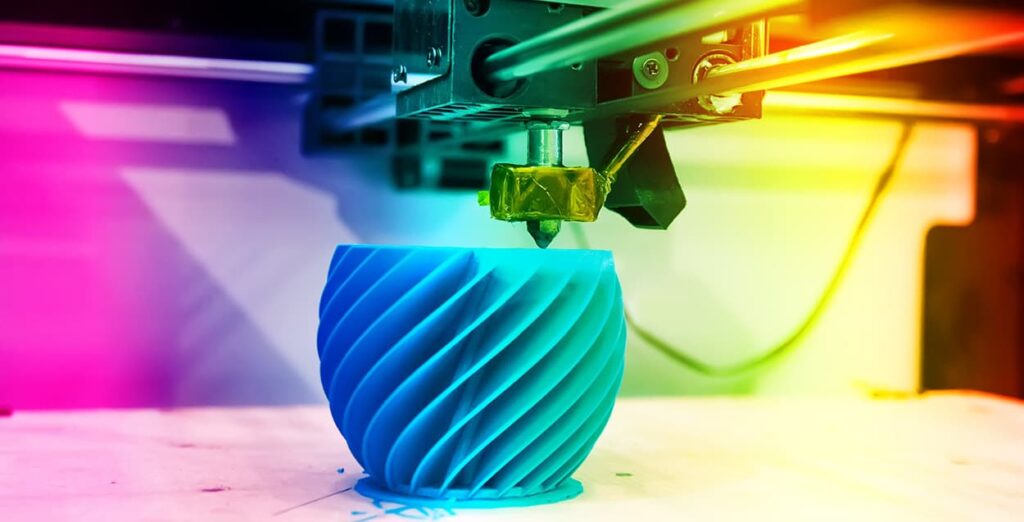
Currently, there are many resources available to assist in concept validation. For example, 3D printing and 3D scanning can quickly validate the appearance and structure of a product, while creating mock-up provides a tangible physical sample. For IoT products, developers can use off-the-shelf development boards to quickly prototype their products. If developers have a certain level of technical ability, development boards like Arduino and Raspberry Pi are relatively inexpensive and time-saving tools. These boards can be paired with accessories such as air sensors, temperature and humidity sensors, and infrared sensors. Developers can write their own programs to rapidly validate concepts, saving costs on outsourcing PCB fabrication and testing.
EVT: Engineering Verification Test
Engineering verification is similar to concept validation but focuses more on confirming functional performance and the design of the appearance and structure. In the development of IoT-related products, this stage involves testing the circuit boards and functionalities. This phase also marks the beginning of the entire product design process, leading to the creation of a Bill of Materials (BOM) for cost estimation and supplier sourcing. This step not only ensures that the product functions as expected but also prepares for mass production in the future.

DVT: Design Verification Test
The design validation stage marks the near-completion of the overall product, where the product's appearance, structure, and components have been finalized. Prototypes are now being created for various reliability tests, including temperature, humidity, vibration tests, aimed at ensuring the product's stability and durability under different environmental conditions.Safety compliance testing, ensuring that the product meets relevant safety standards and regulations is essential for a successful market launch.
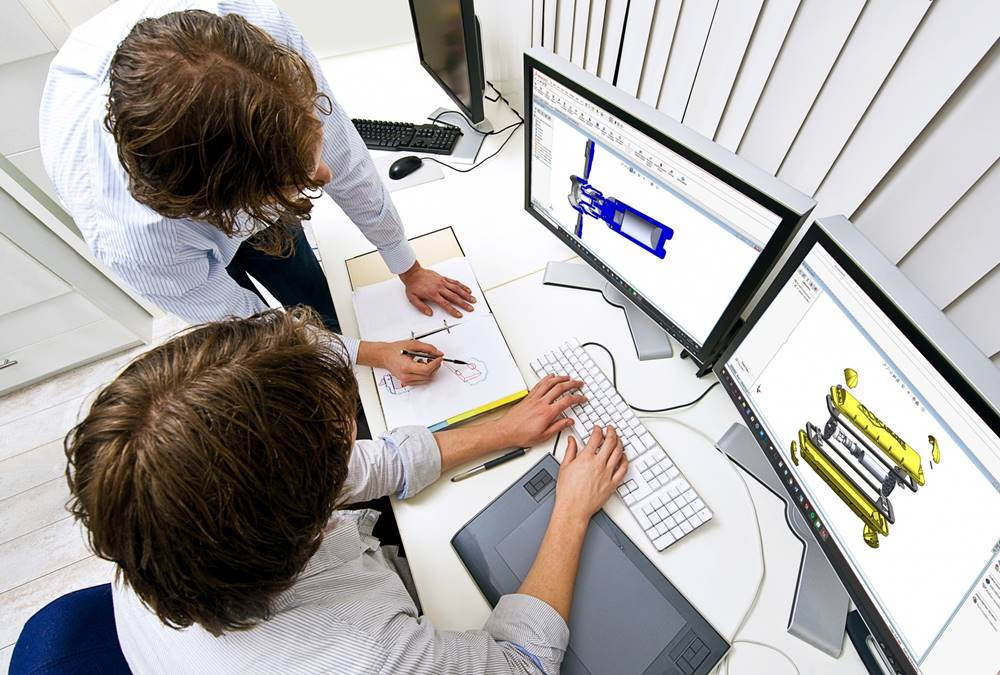
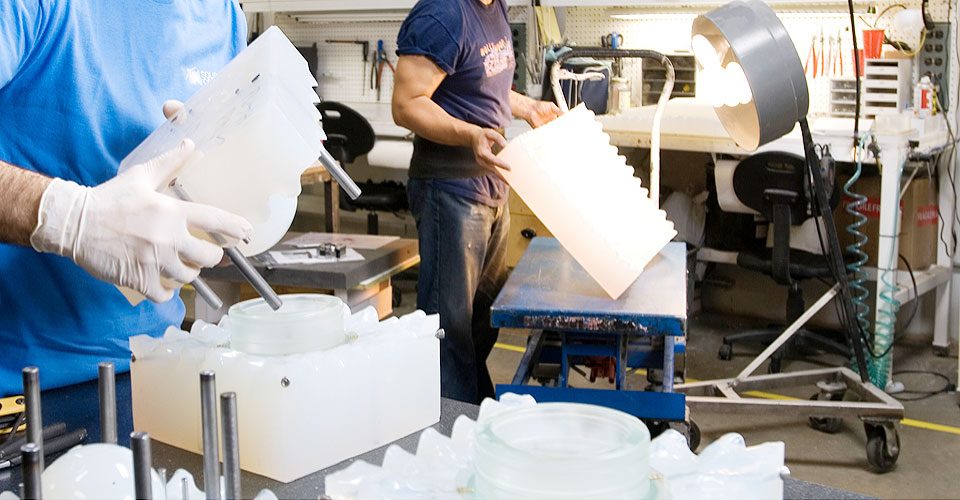
In addition to technical validation, the design validation stage also involves Design for Manufacturability (DFM), ensuring the feasibility and cost-effectiveness of mass production of the product. This stage requires close collaboration with manufacturers to optimize the design, improve production efficiency, and reduce costs.

PVT: Production Verification Test
Production verification test, also known as pilot production, is a crucial stage in product development that signifies the identification of all component suppliers. For products requiring assembly, pilot production is typically conducted by the final assembly plant. The primary goal of this stage is to ensure smooth production processes and validate the stability and consistency of each component in large-scale manufacturing.

During the pilot production phase, a comprehensive inspection of the entire supply chain is conducted to ensure all components meet quality standards. Simultaneously, production equipment and processes undergo testing and adjustments to enhance efficiency and mitigate potential manufacturing issues. Additionally, small-scale production runs are carried out in this stage to validate the product's performance and quality under real market conditions. Feedback from these runs informs necessary adjustments and improvements.

The success of this stage paves the way for mass production, ensuring that the product maintains high quality and consistency during large-scale manufacturing, ultimately leading to a smooth market launch.

MP: Mass Production
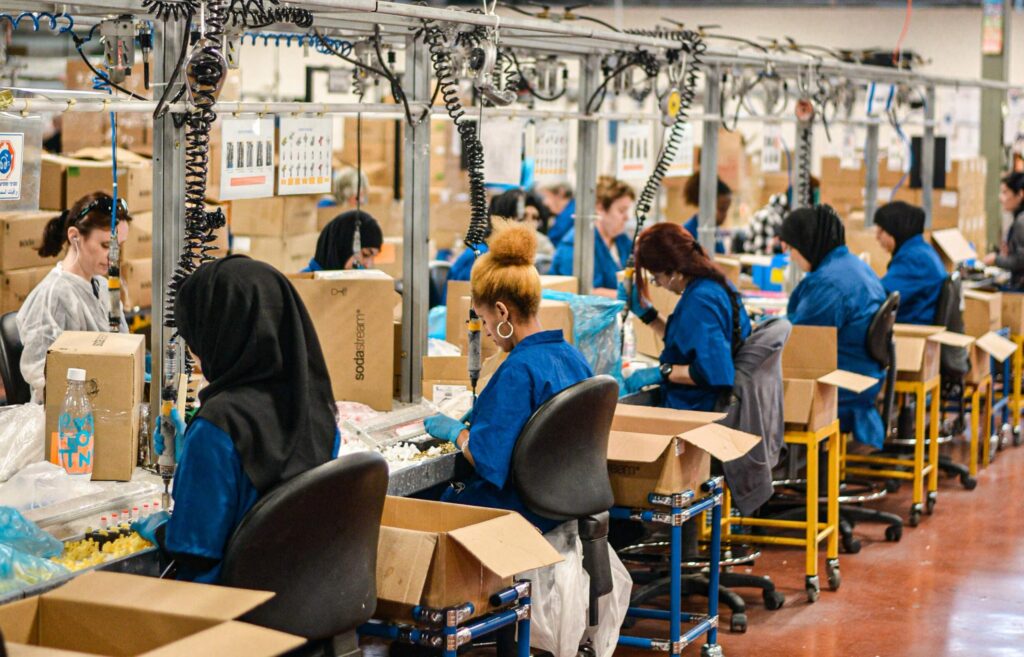
At the mass production stage, the product has successfully passed all necessary tests and validations, and suppliers for all components as well as production processes have been confirmed. This is the most critical step in the product development process, where the design becomes reality and ensures the ability to consistently meet market demand.

The primary objective of mass production is to ensure the quality and consistency of the product during large-scale manufacturing. This requires a comprehensive inspection of every aspect of the production process, including the quality of raw materials, precision of components, accuracy of assembly processes, and testing of final products. By establishing rigorous quality control systems, it ensures that each product meets the expected standards consistently.

During the mass production stage, it's essential to consider production efficiency and cost control. By optimizing production processes, improving equipment utilization, and reducing waste, significant reductions in production costs can be achieved, thereby enhancing competitiveness. Additionally, for high-tech products, establishing a comprehensive after-sales service system may be necessary to ensure sustained competitiveness in the market.

This article is authored by: FIPEA Design

#ProductDevelopment #ProductDesign #Startups

Scroll to Top