
June 7, 2024

Photo from google
【This article aims to inform you about...】
1. What is digital nomad ?
2. What industries are suitable for digital nomad ?
3. What qualifications do digital nomads need ?
4. Pros and cons of digital nomad ?
1. What is digital nomad ?
Digital nomads enjoy a high level of freedom, as they can choose their preferred work locations, whether it's at home, in a café, or in a coworking space. Their lives are filled with adventurous travels, frequently moving between different cities and countries, experiencing diverse cultures. They have flexible working hours, allowing them to schedule work and leisure activities according to their personal rhythm.
2. What industries are suitable for digital nomad ?
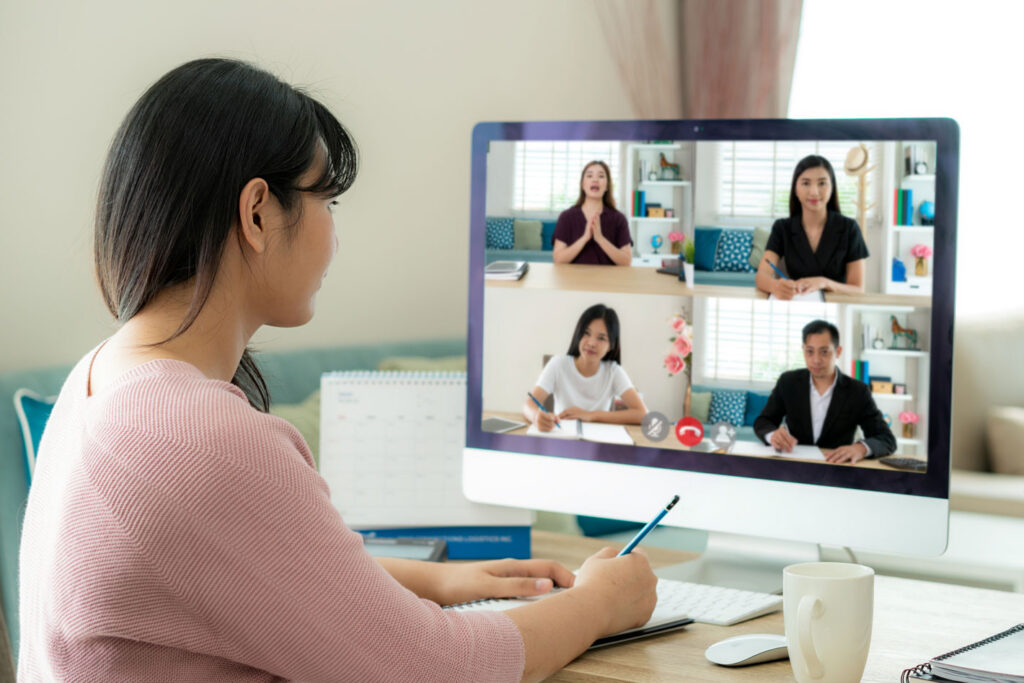
Digital nomadism is suitable for many industries that rely on the internet and digital technology. Here are a few typical examples:
- Information Technology (IT) and Software Development: Software engineers, web developers, mobile app developers, and system administrators can all work remotely, enabling a lifestyle that combines global travel with work.
- Design and Creative Industries: Graphic designers, UI/UX designers, illustrators, and animators can utilize digital tools to complete design work, without being confined to a fixed office location.
- Digital Marketing and Content Creation: Digital marketers, SEO/SEM specialists, content writers, bloggers, and social media managers can create and promote content anytime, anywhere, with just a computer and an internet connection.
- Writing and Editing: Freelance writers, editors, copywriters, and technical writing experts have flexible work hours and can complete writing and editing tasks from anywhere.
- Translation and Language Services: Translators, interpreters, and language teachers can provide professional services online to meet the needs of global clients.
- Teaching and Training: Online educators, course developers, and corporate trainers utilize digital platforms for teaching, achieving the goal of remote education.
- Consulting and Professional Services: Business consultants, IT consultants, marketing consultants, and financial advisors provide services to clients through video conferencing and online collaboration tools.
- Data Analysis and Research: Data analysts, market researchers, and data researchers can remotely collect and analyze data to provide decision support for businesses.
- Customer Support and Management: Online customer service representatives, project managers, and product managers can use digital tools to manage customer relationships and project progress from any location.
3. What qualifications do digital nomads need ?
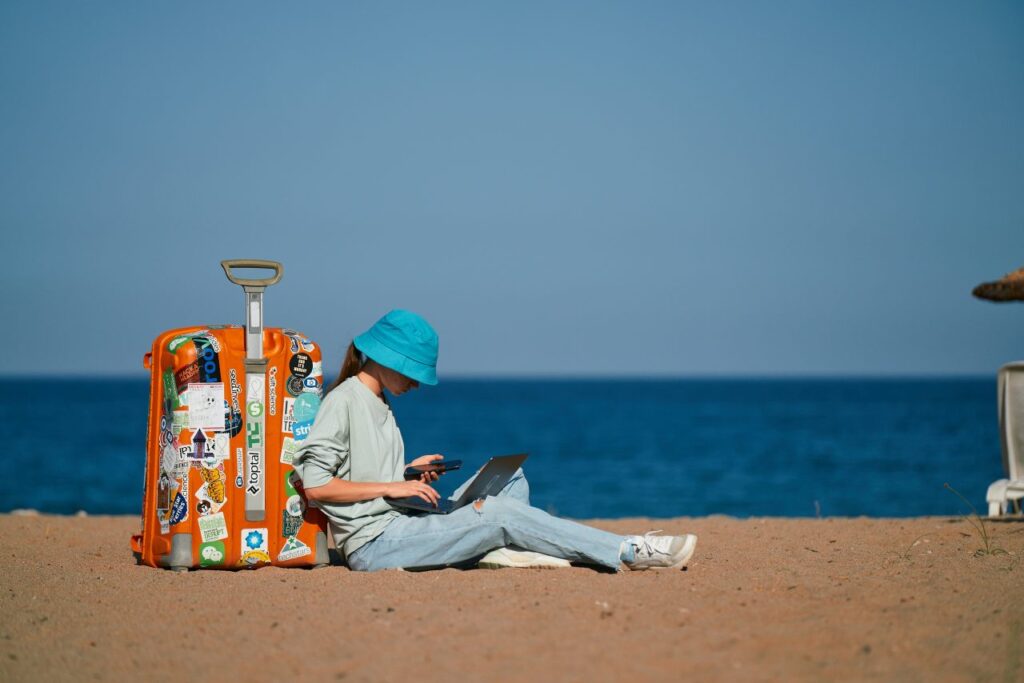
Digital nomads need to possess specialized skills in a particular field such as software development, design, writing, or marketing. The commonality among these industries is that work primarily relies on computers and the internet, and many positions can be carried out remotely, ensuring they can maintain productivity from different locations. Having these professional skills not only allows digital nomads to sustain a stable income while traveling globally but also enables them to explore new opportunities and expand possibilities for career development wherever they go.
In addition, digital nomads possess excellent self-management skills, enabling them to effectively schedule time and work progress, ensuring high levels of self-discipline and focus in different environments. They can autonomously manage their work without the traditional office environment and direct supervision, achieving high productivity levels. Moreover, digital nomads have outstanding technical abilities and are familiar with various digital tools and software, such as project management tools like Asana and Trello, collaboration tools like Slack and Microsoft Teams, as well as cloud storage services like Google Drive and Dropbox. They can flexibly utilize these tools to efficiently carry out remote work and collaboration, ensuring smooth communication among teams and seamless progress of work tasks. The combination of self-management skills and technical proficiency enables digital nomads to maintain a good work status while traveling globally, fully realizing their value.
4. Pros and cons of digital nomad ?
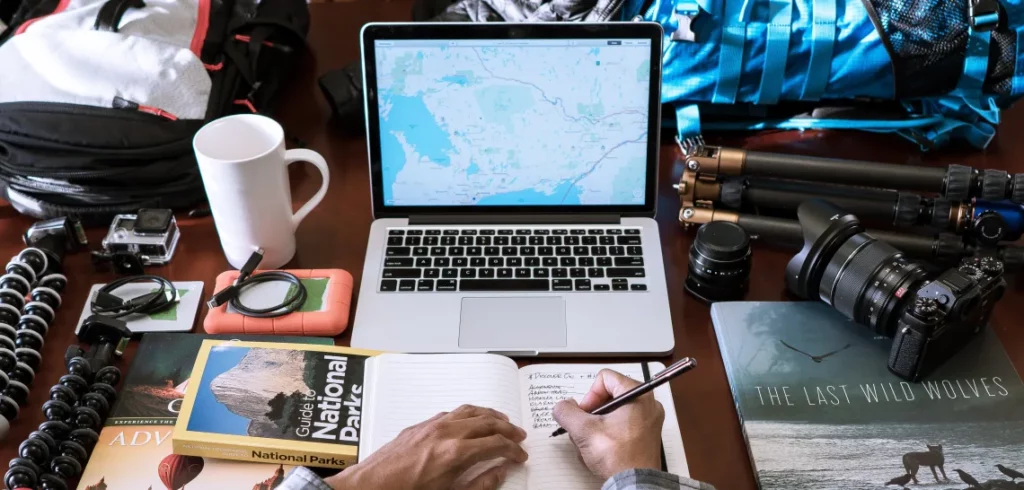
The digital nomad work model offers numerous advantages, including location independence, flexible work hours, cultural experiences, cost savings, and career development opportunities. Digital nomads can work and live in various locations globally, enjoying a free lifestyle while having the flexibility to schedule their work hours. This makes it easier to achieve a balance between work and life, ultimately enhancing their quality of life. They have the opportunity to immerse themselves in different cultures, broaden their horizons, gain life experiences, and can choose to reside in areas with lower living costs, saving expenses and improving financial freedom. Additionally, they can engage with diverse cultures and work environments, expanding their network and career prospects.
However, everything has its pros and cons, and while the traditional office model may seem conventional, it still has its unique advantages. In a traditional office setting, people can communicate directly with colleagues face-to-face, which helps foster a stronger team collaboration atmosphere and enhances work efficiency. Additionally, the office environment provides a professional atmosphere, contributing to increased motivation and focus on work.
Therefore, digital nomad also comes with some drawbacks. Social isolation is one of them. Being away from a fixed social circle for an extended period can lead to feelings of loneliness and a lack of face-to-face social interaction. Additionally, frequent changes in living locations may result in unstable internet connections or inconvenient living facilities, affecting work efficiency and stability. Moreover, digital nomads may also encounter challenges related to timezone differences, requiring strong communication and coordination skills. Furthermore, they need strong self-discipline and self-management skills to ensure high productivity and quality work while traveling and exploring. Lastly, living and working in unfamiliar places may pose security risks, necessitating vigilance and precaution.
—
This article is authored by: FIPEA Design
#digitalnomad #remotework #freelancing #freelancers