
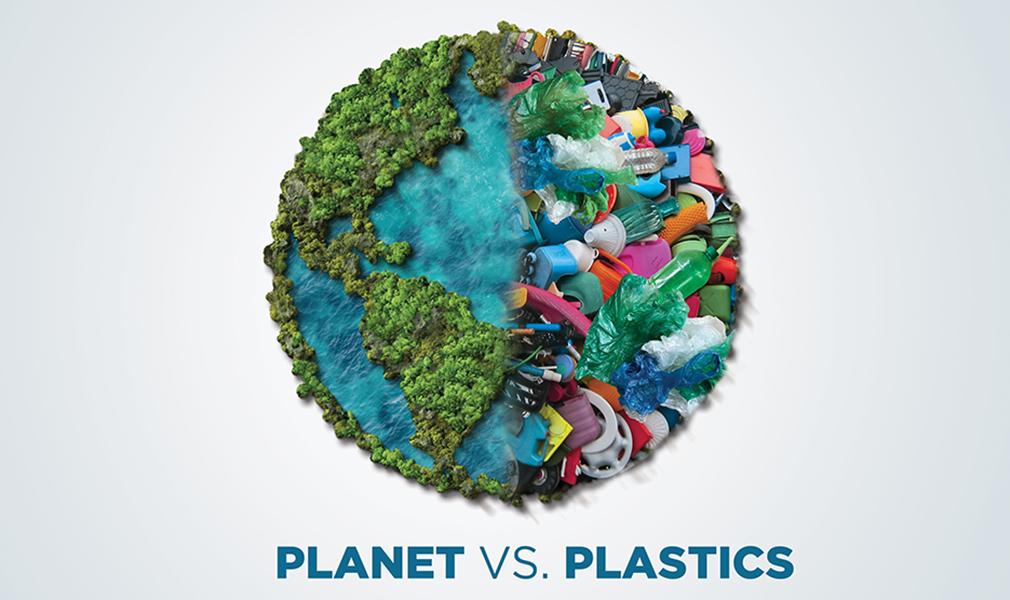
From "Savior" to "Villain": Rediscovering the material that changed the world — Plastic.
In modern society, when people hear the word "plastic," most think of ocean waste or an environmental villain. However, if we rewind 150 years, you might be surprised to discover that plastic was originally created as the "savior of elephants."
🌿 Origin: An "Eco-Friendly" Invention Created to Prevent an Ecological Crisis.
In the mid-19th century, humans hunted elephants extensively for ivory to make luxury items such as billiard balls, eyeglasses, and fountain pens, pushing elephants to the brink of extinction. To address this ecological crisis, American inventor John Wesley Hyatt developed the first plastic in history—celluloid. This material allowed precious natural resources to be replaced and opened the door for humanity to harness "moldable" materials.
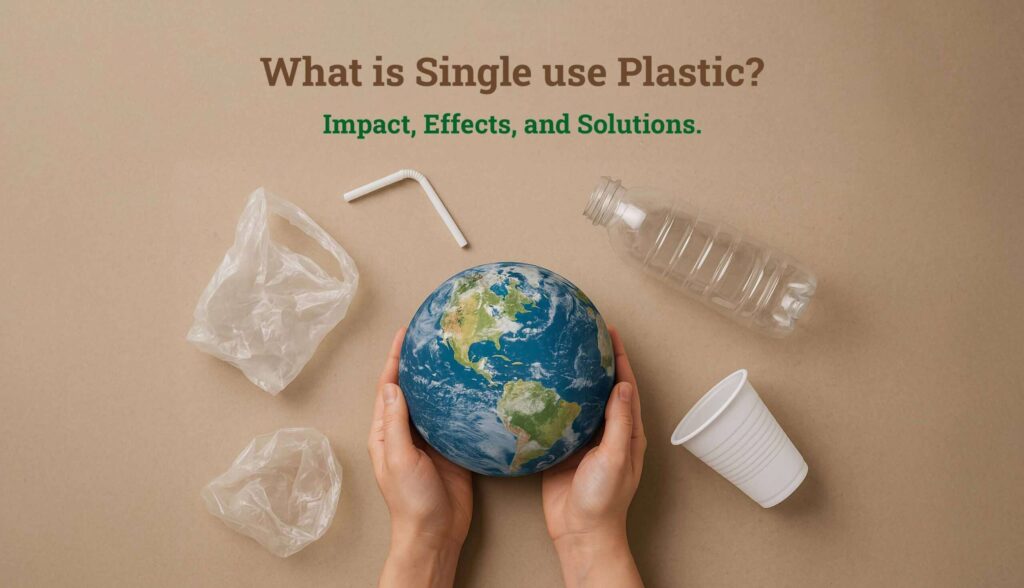
👀 Scientific Perspective: What Is Plastic?
Plastic is essentially a "Polymer", a term derived from Greek, meaning a long-chain structure made up of many small molecular units linked together.
- Quantitative Change Leads to Qualitative Change: When individual molecules polymerize into long chains of tens of thousands or even millions of units, their originally fragile properties transform into strong mechanical strength. For example, ethylene is originally a gas, but after polymerizing into "Polyethylene (PE)", it becomes a solid material that we can touch and even microwave.
- Natural vs. Synthetic: Although polymers also exist in nature (such as DNA, proteins, and cellulose), plastics are synthetic macromolecules produced by humans through chemical engineering.
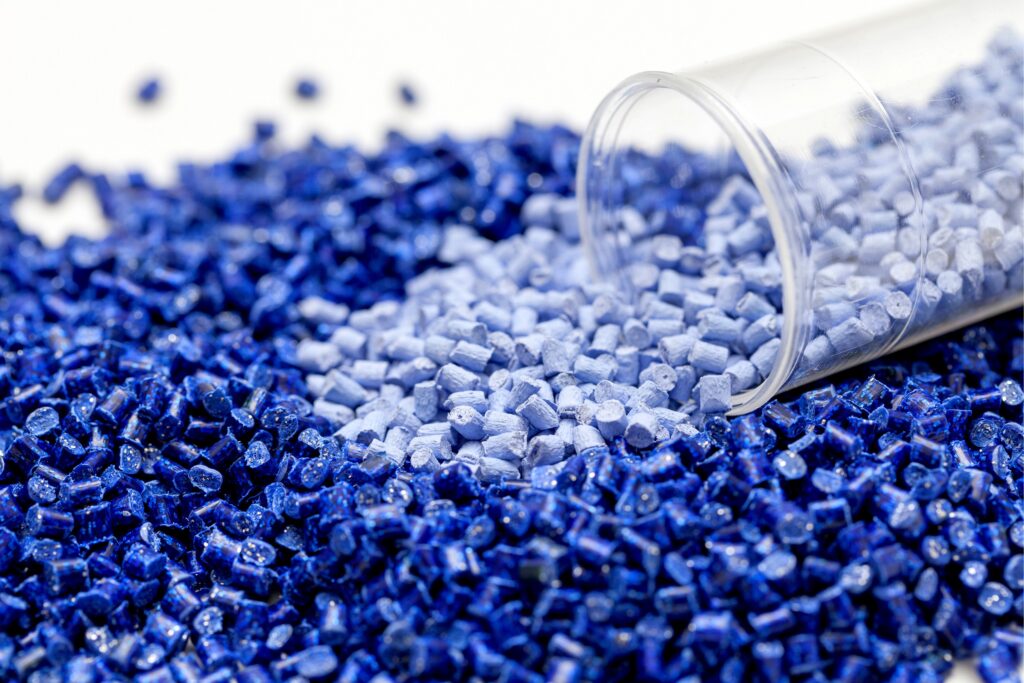
📊 The Secret Behind Their Versatility: Thermoplastics vs. Thermosetting Plastics.
Why do some plastics soften when heated, while others remain as hard as steel? The key lies in the arrangement of their molecular structures:
- Thermoplastics (like noodles): The molecular chains resemble tangled noodles. When heated, they loosen and become flowable, then solidify upon cooling. This property allows them to be repeatedly reheated, reshaped, and recycled.
- Thermosetting plastics (like a 3D network): During the molding process, cross-linking reactions occur between molecular chains, forming a strong three-dimensional network structure. These plastics (such as Bakelite and epoxy resin) have excellent heat resistance and insulation properties, but once set, they are irreversible and cannot be melted down for recycling.
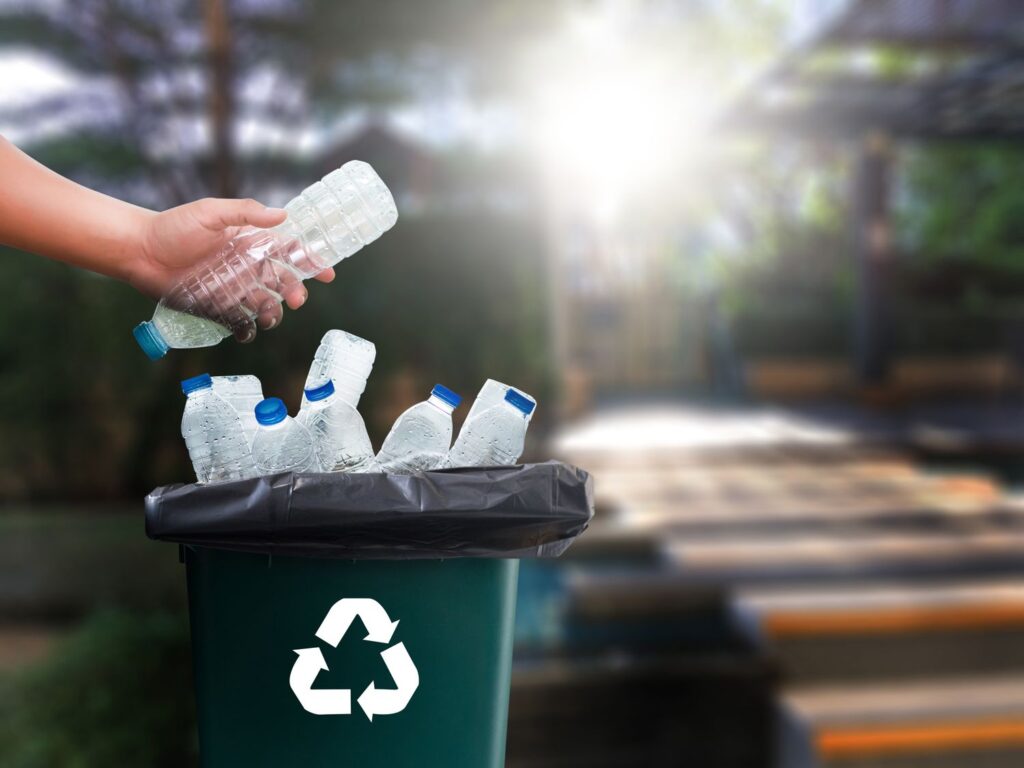
⚙️ Why Are Plastics So Cheap and Widespread?
Plastics are inexpensive largely due to their close connection with the development of the petroleum industry. Chemists discovered that byproducts of oil refining can be cracked to produce large quantities of monomers such as ethylene and propylene. In industrial terms, plastics are essentially a "bonus" of the massive output of the energy sector. Combined with efficient processes like injection molding, they have become one of the most economically viable materials in commerce.
From plastic bags (PE), food containers (PP), and cup lids (PS) to PET bottles (PET), these "four major players" cover most of our everyday items. In addition, scientists can also use a "team-up" approach to link different monomers into "copolymers", for example:
- ABS plastic: Combining corrosion resistance, toughness, and aesthetic appeal, it is the key to LEGO bricks being both durable and finely crafted.
- PC/ABS: Combining the heat resistance of PC with the processability of ABS, it has become a "well-rounded powerhouse" in the materials world.
📌 Reflection: Materials Are Not to Blame—We Simply Overlooked the Cost.
Plastic itself is not inherently harmful—the issue lies in how we use it. We take a material that can last for thousands of years and use it to create products that are used for only five minutes. This ecological crisis is, in reality, the cost of humanity’s pursuit of efficiency and convenience.
Today, materials scientists are working to develop bioplastics (such as PLA), genetically engineered microbial degradation technologies, and chemical methods to break down plastic waste back into its original monomers. Before technology can catch up with the pace of our consumption, relearning to understand and value materials may be the first step toward reconciling with plastic.
—
The content is organized from online sources.
#Plastics #Sustainability #MaterialsScience