Will Digital Twins change the world?
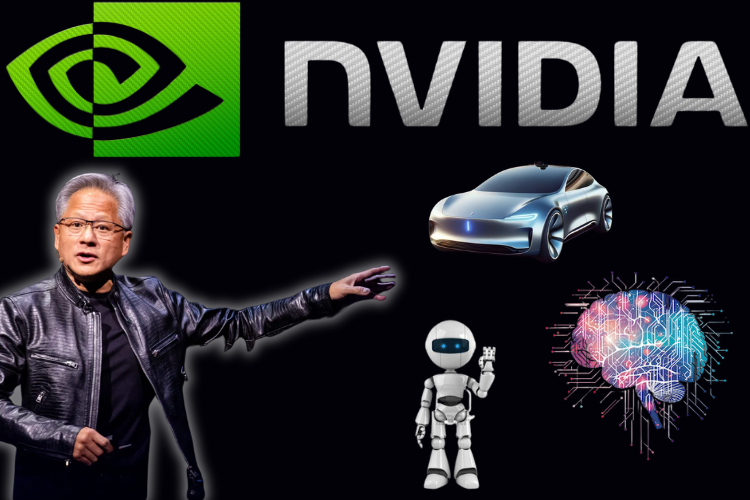
At this year's CES International Consumer Electronics Show, NVIDIA CEO Jensen Huang introduced numerous new technologies in AI, robotics, and autonomous vehicles during his keynote speech. However, among these cutting-edge innovations, one key term stood out as particularly understated—even overlooked. As soon as Jensen took the stage, he presented a video of NVIDIA’s headquarters, stating, "Welcome to NVIDIA. You are now inside the digital twin of our headquarters."
Digital... twin? What is that?
As early as in a 2024 speech at National Taiwan University, Jensen demonstrated a virtual digital Earth, "Earth 2." It combines AI and physical simulation technology to accurately replicate climate change, nearly identical to the real Earth, and can predict future weather. Additionally, Huang has mentioned in various occasions that "the future world will be filled with AI-driven digital twins, which will change industries." This statement seems to highlight an important trend in future technological development—Digital Twin.
What is Digital Twin?
Simply put,a digital twin is a "real-world counterpart in the virtual world". It is a technology that creates a fully identical digital version of a real object, system, or environment in a computer. By synchronizing real-time data, it allows people to simulate, test, and predict in a virtual space, and even remotely control real-world objects.
Imagine you have a machine. With digital twin technology, you can simulate its operation in a virtual world, predict when it might fail, and even adjust parameters to improve efficiency—without physically dismantling or modifying the real machine. This technology not only reduces costs but also significantly enhances decision-making efficiency. It has been widely applied intransportation, healthcare, manufacturing, andurban management.

You might be using it every day!
"Digital Twin" sounds like a high-tech concept, but in reality, we use this technology every day without even realizing it. For example:
- Google Map
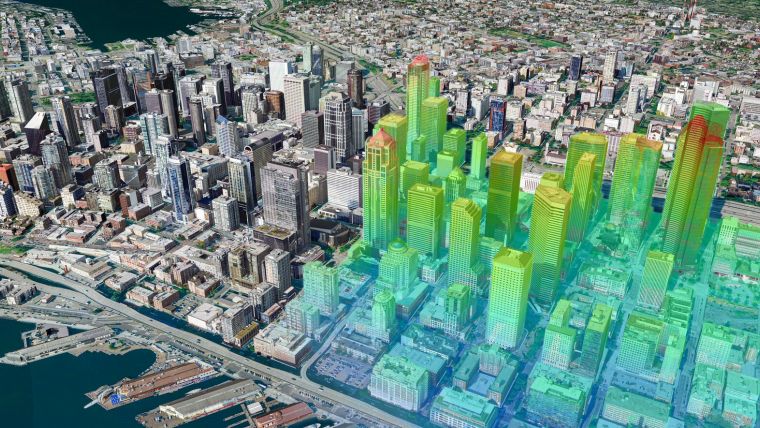
Google Maps can display real-time traffic conditions and even predict road congestion at different times—this is an application of digital twin technology. These maps use data from mobile phones and car navigation systems to create adigital model synchronized with real-world traffic,It allows us to plan the best routes in advance and avoid traffic jams. - Smart Cities
Many cities have already begun using digital twin technology to improve traffic, such as Singapore and Shanghai, which simulate city traffic conditions through real-time monitoring data and use AI to adjust traffic light timings to reduce congestion. In the future, when autonomous vehicles become widespread, digital twins will also help vehicles communicate with road infrastructure, making driving smoother and safer. - Health and Medical
In the medical field, digital twin technology is being used to simulate the human body and provide personalized treatment plans. For example, GE and Siemens have developed heart digital twin technologies, allowing doctors to test different treatment methods using virtual models. In the future, digital twins could even assist doctors in simulating remote surgeries, enhancing medical precision. - Smart Factory
Manufacturing is one of the most widely used fields for digital twin applications. In the past, if factory equipment malfunctioned, it could impact the entire production line. But now, companies can create digital replicas of machines and use AI to monitor operational data, predict potential issues in advance, and perform early maintenance to avoid production interruptions. This not only improves production efficiency but also reduces operational costs for businesses.
Digital Twin = Metaverse?
Do you remember the "Metaverse" craze stirred up by Meta (Facebook's parent company) a few years ago? At that time, many tech companies jumped into developing VR, virtual social interactions, virtual economies, and other applications. Plus, the global success of the movie《Ready Player One》sparked people's imagination about whether humanity might live in a digital world in the future. However, over time, the concept of the Metaverse has cooled down, replaced by a more practical technological trend closely connected to the real world.
So, does Digital Twin equal the Metaverse? What are the differences between them?
- The core of Digital Twin is "the digital replica of the real world", Its focus is on creatingan accurate digital replica of the real world, It is used for testing, prediction, or optimizing decisions, such as in smart factories, smart transportation systems, and medical simulations.
- The Metaverse, on the other hand, is a "completely new virtual world", It doesn't necessarily need to be synchronized with the real world, but instead creates a digital space where socializing, entertainment, learning, and even economic activities can take place, such as virtual gaming worlds, VR meeting spaces, and more.
For example:
⇒ Digital Twin of Smart Factoryis a technology used by businesses to improve production efficiency, and it is a digital replica that simulates the operation of a real factory.
⇒ Virtual factory in the Metaverseit could be a game world where players experience the fun of building factories, and not necessarily have any connection with real-world factories.
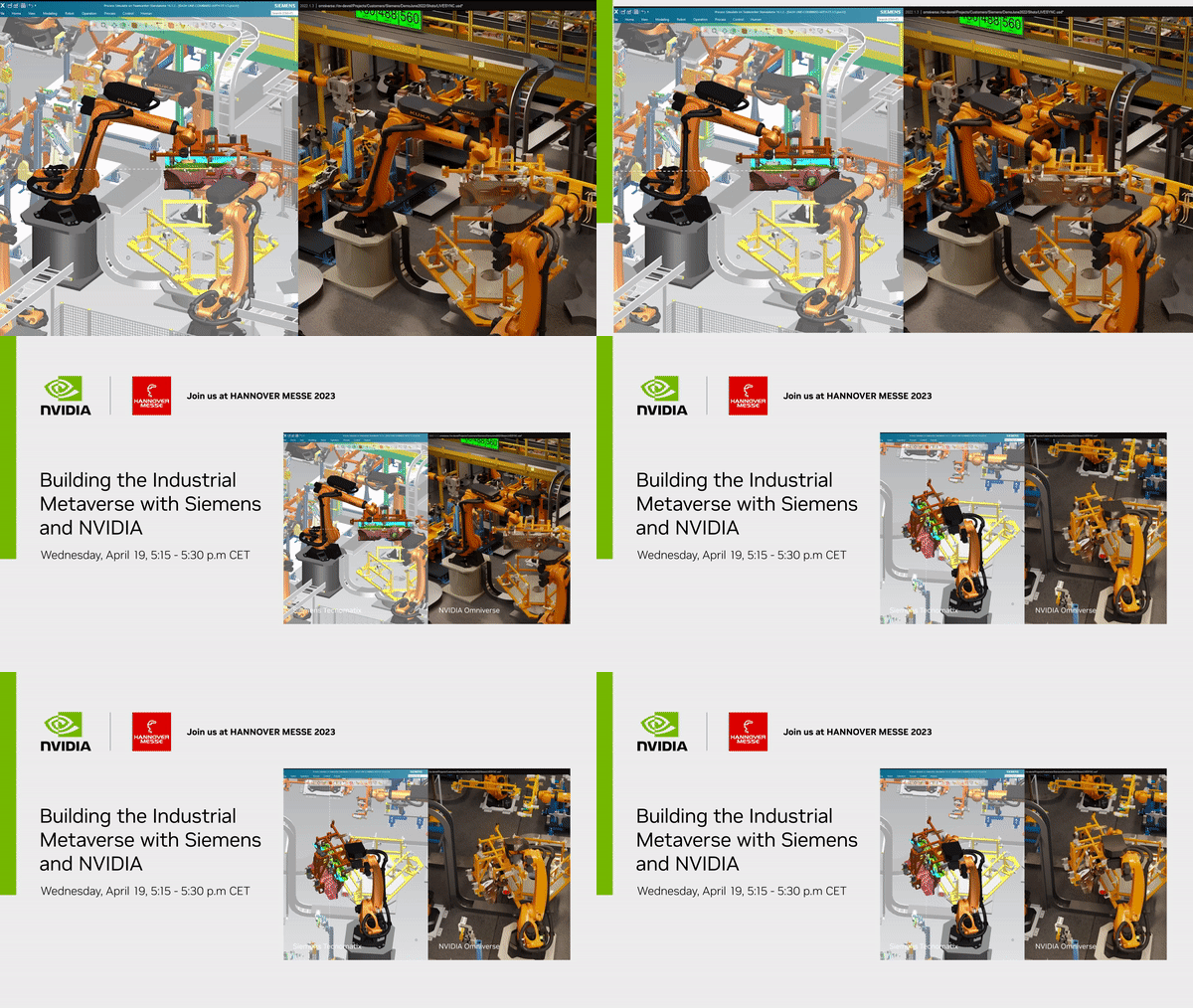
Although digital twins and the metaverse are different concepts, they can be combined. For example, NVIDIA's Omniverse platform allows businesses to create digital twins while providing an immersive 3D interactive experience. This technology will blur the lines between the virtual and the real world more and more.
Back to the question at the beginning of the article: Will digital twins change the world?
The answer is obvious. Digital twins are indeed changing our world. Compared to the Metaverse, which creates a completely virtual digital world, digital twins allow us tobetter understand, predict, and improve the real world with greater precision. With advancements in AI, IoT, and cloud computing, the applications of digital twins will become increasingly widespread, affecting not only businesses and governments but also gradually permeating into our daily lives.
In the future, with the investments from tech giants like NVIDIA, Google, and Tesla, digital twins will become even more widespread, potentially creating a smarter and more efficient integrated virtual and physical world. Perhaps in the near future, we will not only be able to change the real world through digital twins, but also interact with it in unprecedented ways. This technology is unlocking a whole new realm of possibilities for us.
⇒ In some client projects, we utilize digital twin technology to simulate critical factors such as wind resistance and water flow. This helps clients predict potential issues, optimize designs, and enhance product performance while reducing development risks, ensuring more efficient and reliable designs.
—
The content is organized from online sources.
#DigitalTwin #DigitalAvatar