
December 11, 2024
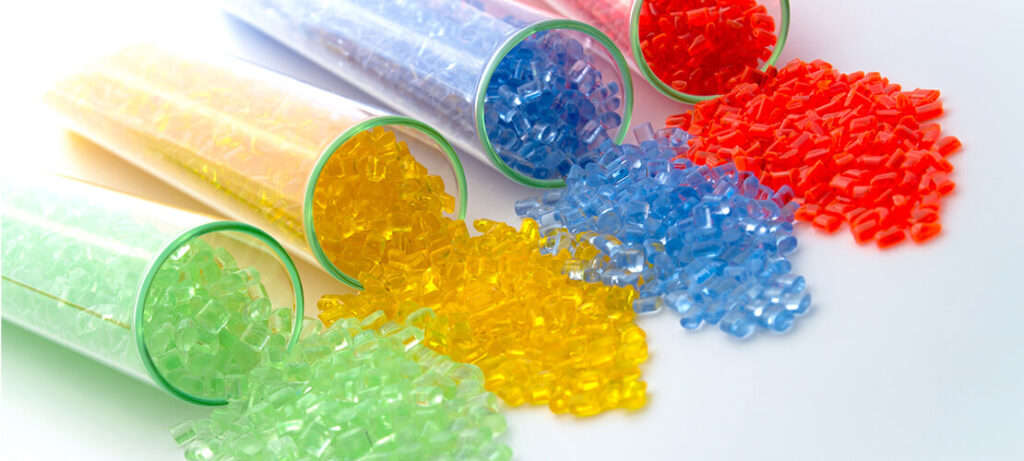
Photo from Google
In modern society, plastic products have become deeply integrated into our daily lives. However, the impact of plastics on health arises not only from the materials themselves but also from the chemical substances released during their use and decomposition. Therefore, understanding how plastic materials affect the body is essential. Here are some potential effects of commonly used plastics in daily life on human health:
- Polypropylene (PP): Widely used in food packaging and containers. Compared to other plastics, PP releases fewer substances and is generally considered a safer option.
- Polyethylene (PE): Commonly used in food packaging. While relatively stable under normal use, prolonged use may lead to plastic micro-particles entering the food.
- Chlorinated Polyvinyl Chloride (CPVC): Under normal usage conditions, CPVC is a stable and safe material that does not easily release toxic substances, commonly used in products like water pipes.
- Unplasticized Polyvinyl Chloride (UPVC): UPVC is a stable material that typically does not release harmful substances, making it suitable for use in construction materials and piping.
- Polyethylene Terephthalate (PET): Primarily used for beverage bottles. While it is safe for short-term use, prolonged exposure to sunlight or repeated use may lead to the release of harmful substances.
- Polyphenylene Oxide (PPO): Commonly used in electronic components and piping, due to its good stability, making it suitable for high-performance applications.
- Nylon (PA): Widely used in fabrics, brushes, and automotive parts, it generally does not pose a health threat.
- Polyvinyl Chloride (PVC): During the manufacturing process, it may release toxic gases. Prolonged use or improper application can pose potential health risks. Its use in food packaging and baby products has been restricted.
- Polycarbonate (PC): Contains Bisphenol A (BPA), which may pose health risks to children and pregnant women with long-term use, especially when used for heating food containers.
- Polystyrene (PS): Commonly found in disposable tableware, but may release toxic substances such as benzene when heated. It is not recommended for use in microwaves and carries a risk of plastic micro-particles being released.
- Acrylonitrile Butadiene Styrene (ABS): Commonly used in electronics and household appliances, but may release toxic gases when heated. It should be used in well-ventilated environments.
- Polytetrafluoroethylene (PTFE): Primarily used in cookware such as non-stick pans. High-temperature use may release harmful gases, and overheating should be avoided.
The health impacts of these plastic materials primarily depend on the usage context and environmental conditions. Choosing the appropriate plastic material for its intended purpose and avoiding prolonged exposure to extreme conditions are essential steps in reducing health risks.
—
The content is organized from online sources.
#Plastic #Health #PlasticMaterials