
The Secret Behind Luxury! What is Tolerance?
June 17, 2024
 Photo from Google
As a consumer, how do you define the sense of luxury in a product? It's not just about the brand name or the price tag; it's a comprehensive feeling. From the details to the overall experience, every aspect exudes refinement and quality.
First and foremost, the sense of luxury comes from the details of the product. This includes meticulous craftsmanship, high-quality materials, and unique design. Whether it's a household item or an electronic device, every minute detail reveals the manufacturer's dedication. For instance, the smooth edges and precise joints of furniture, or the seamless connections and consistent button feedback of electronic devices, can convey a sense of luxury. Another critical aspect of evaluating luxury is the tactile and visual enjoyment. High-quality products often use premium materials that provide a superior feel and visual appeal. The soft touch of leather, the cool sensation of metal, and the natural grain of wood can instantly impart a luxurious feeling upon contact. Visually, exquisite design and impeccable craftsmanship details also enhance the perception of luxury.
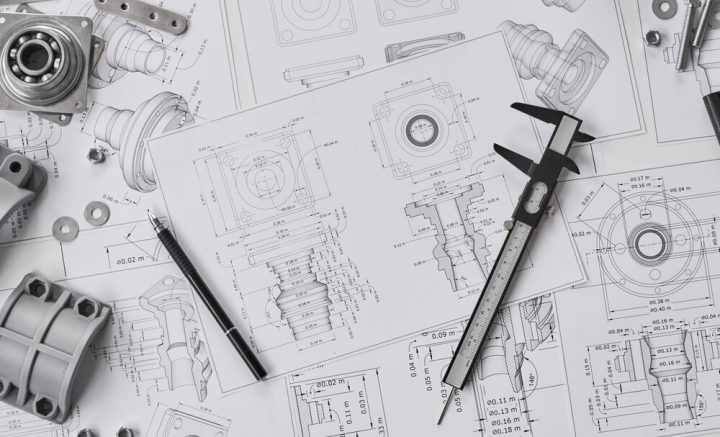
In the manufacturing process, the control of tolerances is one of the key factors in determining a product's sense of luxury. Tolerances refer to the allowable range of deviations in manufacturing. When controlled properly, they ensure that every component fits together perfectly, enhancing the overall quality and user experience of the product. For example, high-precision mechanical parts and precise assembly can ensure that the product is more durable and operates smoothly during use. This precision is also a crucial standard by which consumers judge the luxury quality of a product.
With the advent of industrial mass production, the "standardization" and "interchangeability" of parts have become extremely important. To ensure that thousands of products maintain consistent quality, especially those involving moving parts, it is necessary to specify the dimensions of the parts and their assembly relationships. This ensures consistent quality while providing stable performance.Tolerance describes the range of dimensional variation allowed in the production of a part. Simply put, tolerance indicates how much a part's size can deviate from the specified dimensions while still functioning correctly.
This is how tolerance is understood:
- Target Dimension: The ideal size specified on a design drawing, for example, a hole diameter should be 10 millimeters.
- Allowable Tolerance Range: Due to various factors in the manufacturing process, exact dimensions cannot be perfectly achieved. Therefore, a permissible range needs to be established. For example, the diameter of this hole can be considered acceptable if it falls within the range of 9.95 millimeters to 10.05 millimeters.
In more everyday terms, tolerance is like a standard range. For example, if your target weight is 60 kilograms, but the acceptable range is between 59 and 61 kilograms, that range represents the tolerance.
In daily life, we can find many examples to illustrate the importance of tolerance control. For instance, when inserting a USB plug, while all USB plugs can be used, sometimes it feels loose and other times it feels snug when plugged into different devices. This variation is due to differences in tolerance control during the manufacturing of USB ports by different manufacturers.

Another common example is building blocks. Everyone knows the satisfying "click" sound when assembling LEGO bricks perfectly, but some cheaper building blocks often struggle to assemble smoothly or feel unstable after assembly. This is because cheaper building blocks have larger tolerances, resulting in less precise fitting between the parts. In contrast, LEGO bricks maintain a high level of precision due to strict tolerance control, ensuring consistent dimensions and fit for each brick, thereby providing a superior user experience.

These examples illustrate how precise tolerance control during manufacturing directly impacts the quality and user experience of products, making it a crucial factor in achieving product sophistication.
—
This article is authored by: FIPEA Design
#sensibility #tolerance #productdesign